Virginia Lawmakers Send Fairfax Casino Bill to Governor with Key Voter Safeguard
Written by Nils Roth · Mar 16, 2026

Virginia Lawmakers Send Fairfax Casino Bill to Governor with Key Voter Safeguard
The Compromise Reached on March 15, 2026
Lawmakers in Virginia took a decisive step forward on March 15, 2026, when they finalized a compromise version of Senate Bill 756 and forwarded it straight to Governor Abigail Spanberger for her signature; this move authorizes the potential development of a sixth casino in the state, zeroing in on a specific 30-acre site in Fairfax County near the Adaire residential high-rise along Leesburg Pike in Vienna, but only after local voters give their stamp of approval through a referendum. The updated legislation scraps a once-controversial clause that would have permitted temporary casino operations without any public say, handing control back to residents amid pushback from the Fairfax County Board of Supervisors, and in doing so, marks what many see as a pivotal moment in the long-simmering debate over casino expansion into Northern Virginia.
What's interesting here is how the bill balances economic ambitions with community voices, since developers have eyed Tysons for years due to its bustling location just outside Washington, D.C., where traffic hums along Leesburg Pike and high-rises like Adaire dot the skyline. Observers note that this site, tucked in the heart of Fairfax's commercial hub, could transform a patch of underused land into a gaming destination, yet the referendum requirement ensures residents decide if that's the path forward.
Background on Virginia's Casino Landscape
Virginia's journey into commercial gaming kicked off back in 2020 with voter-approved referendums in five cities—Bristol, Danville, Portsmouth, Norfolk, and Richmond—paving the way for those initial casinos to break ground and eventually open, drawing crowds and generating tax revenue that state figures peg at hundreds of millions annually by 2026. But Northern Virginia, with its affluent suburbs and proximity to the capital, stayed off the map for casinos until proponents started pushing for expansions, arguing that Fairfax County could capture untapped revenue from tourists and locals alike; turns out, years of legislative wrangling followed, as bills bounced between chambers, faced veto threats, and drew fire from supervisors worried about traffic snarls, crime spikes, and strains on infrastructure around high-traffic spots like Tysons.
Take the earlier versions of Senate Bill 756: they floated ideas for up to two more casinos in the region, but opposition mounted quickly, with the Fairfax County Board of Supervisors voicing concerns over the lack of local input, especially since Tysons already grapples with congestion on Leesburg Pike, where the proposed 30-acre parcel sits primed for development near residential towers. Data from similar projects elsewhere in Virginia shows casinos boosting local economies—Portsmouth's Rivers Casino, for instance, reported over $100 million in gaming taxes since opening—yet critics highlight how unplanned growth can overwhelm neighborhoods, which is why lawmakers dialed back the bill to focus solely on this one site, restoring the voter referendum as a gatekeeper.
Key Changes in the Finalized Bill
And here's where it gets interesting: the compromise version lawmakers approved strips out that temporary operations provision, which had allowed gaming to start before any referendum, a move that drew sharp rebukes from supervisors who called it a bypass of democratic process; now, any casino at the Vienna site hinges entirely on a yes vote from Fairfax voters, scheduled potentially as soon as November 2026 if the governor signs off. The bill specifies the exact 30-acre footprint—near the Adaire high-rise, where urban density meets potential for a resort-style complex complete with slots, tables, hotels, and entertainment—while mandating that developers secure licenses through the Virginia Lottery, just like the other five casinos already in play.
Experts who've tracked these negotiations point out that this tweak addresses core objections, since the Board of Supervisors had lobbied hard against preempting local control, and with the clause gone, public trust rebuilds around the idea that residents, not just politicians or investors, hold the reins. One study from the American Gaming Association reveals that states with referendum-backed casinos see higher community approval rates long-term, as voters feel ownership over the outcomes, a dynamic that could play out vividly in Fairfax where demographics lean toward educated professionals wary of gambling's social costs but open to regulated revenue streams.
The Proposed Site and Its Surroundings
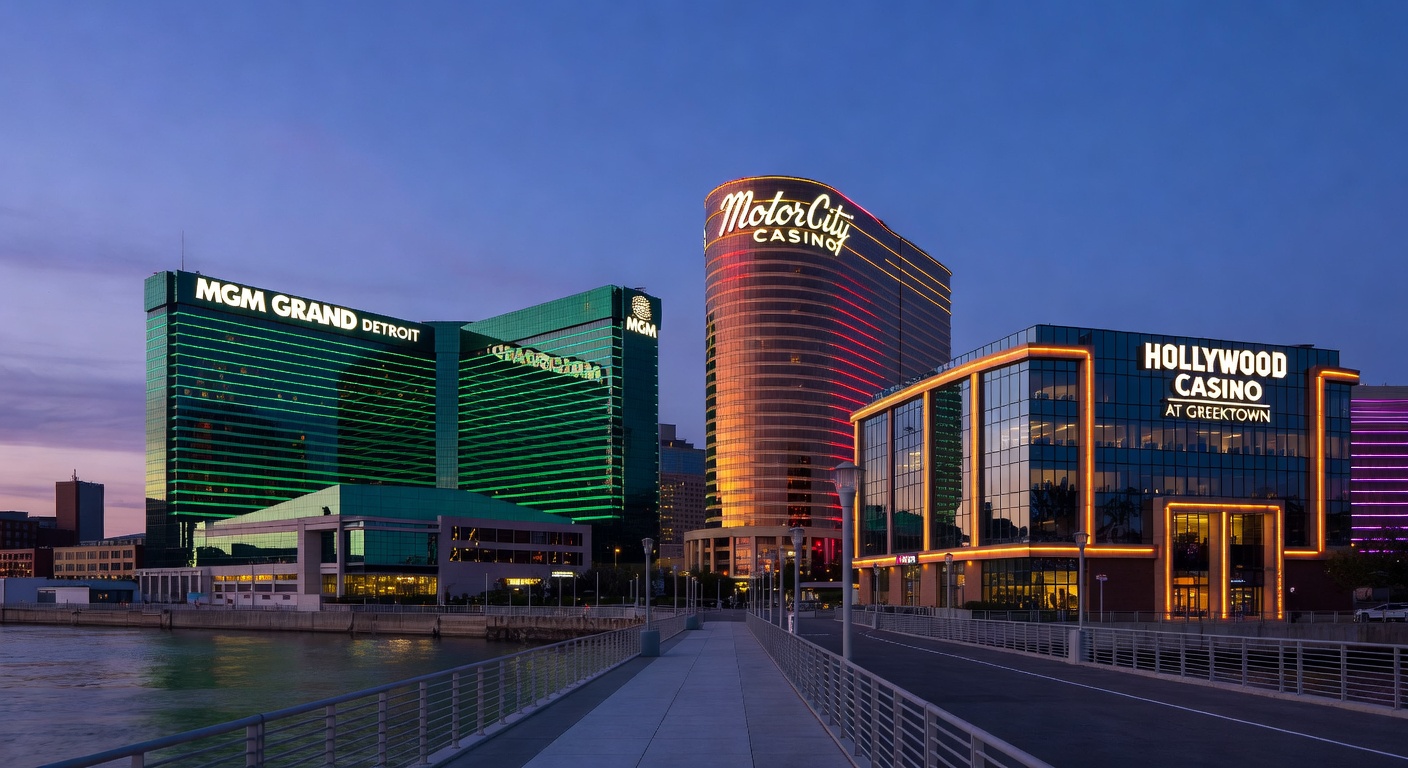
Zoom in on the location: that 30-acre parcel along Leesburg Pike in Tysons, part of Fairfax County's Vienna area, borders the Adaire residential high-rise and sits amid a mosaic of offices, shops, and homes, where daily commuters clog routes heading toward D.C. Developers envision a full-scale casino resort here—think 1,500 slot machines, dozens of table games, and amenities to lure visitors off the Beltway—positioned to tap into Northern Virginia's $400 billion-plus economy, according to regional chamber data. But the reality is, proximity to residences like Adaire raises stakes, as any noise, lights, or crowds could ripple into quiet neighborhoods, which is precisely why the referendum looms large.
People familiar with Tysons know it's no stranger to transformation; once a sea of parking lots, the area sprouted gleaming towers through smart growth policies, and a casino could follow suit if voters greenlight it, potentially generating thousands of jobs and funneling millions into schools and roads via Virginia's gaming tax structure, where operators pay 15% on slots and up to 9% on tables. Yet opponents, including local business groups, warn of gambling addiction risks—figures from the Virginia Council on Problem Gambling indicate rising helpline calls near existing casinos—underscoring the bill's voter safeguard as a pragmatic hedge.
Opposition, Support, and the Path Ahead
So the Fairfax County Board of Supervisors led the charge against earlier drafts, firing off letters and testifying in committees about lost local authority, but with voter control restored, some tension eases, although supervisors still express skepticism over traffic models projecting 10,000 extra vehicles daily on Leesburg Pike. Supporters, meanwhile—from gaming unions to pro-expansion lawmakers—hail the bill as a win-win, citing how Bristol's Hard Rock Casino poured $45 million in local taxes in its first year, and projecting similar windfalls for Fairfax if the site activates.
Now the ball's in Governor Spanberger's court; she has 30 days from receipt to sign, veto, or let it become law without action, and given her past support for regulated gaming as a revenue tool, observers expect a green light barring last-minute hitches. Should it pass, Fairfax voters face a referendum—likely in 2026—where turnout and sentiment will decide if Tysons joins Virginia's casino roster, building on the five operational or nearing-completion venues that have already shifted the state's gaming map.
There's this case from Portsmouth, where voters approved Rivers Casino by a slim 52% margin in 2022, only to see it thrive with packed floors and community grants; Fairfax could mirror that, or diverge if concerns over the Adaire area's livability prevail, making the upcoming vote a litmus test for Northern Virginia's appetite for growth.
Economic Projections and Broader Impacts
Figures from the Joint Legislative Audit and Review Commission outline potential upsides: a Fairfax casino could yield $150 million in annual state taxes once mature, plus $50 million locally, funding everything from Metro expansions to school tech upgrades, while creating 2,500 construction jobs and 1,800 permanent ones, many unionized. But here's the thing—those gains come with caveats, as studies from the University of Nevada track how casino corridors sometimes see property values dip initially near sites, rebounding later with polished developments; in Tysons, where real estate soars, that equation shifts dramatically.
Environmental reviews loom too, with the 30-acre site's stormwater management and green space mandates under scrutiny, ensuring any build aligns with Fairfax's sustainability goals amid Leesburg Pike's flood-prone stretches. And while the bill caps this at one casino, whispers of further Northern Virginia pushes linger, though for now, all eyes stay fixed on Senate Bill 756's fate.
Looking Ahead: What Voters and Lawmakers Watch For
In wrapping this up, the March 15 action propels Virginia's casino saga into a new phase, where a single referendum could unlock Tysons' potential or shelve it indefinitely, restoring public sway after heated clashes and