The Convergence of Lottery Mechanics and Crypto-Based Referral Systems in Multilingual Gaming Platforms
Written by Nils Roth · Jun 6, 2026
The Convergence of Lottery Mechanics and Crypto-Based Referral Systems in Multilingual Gaming Platforms
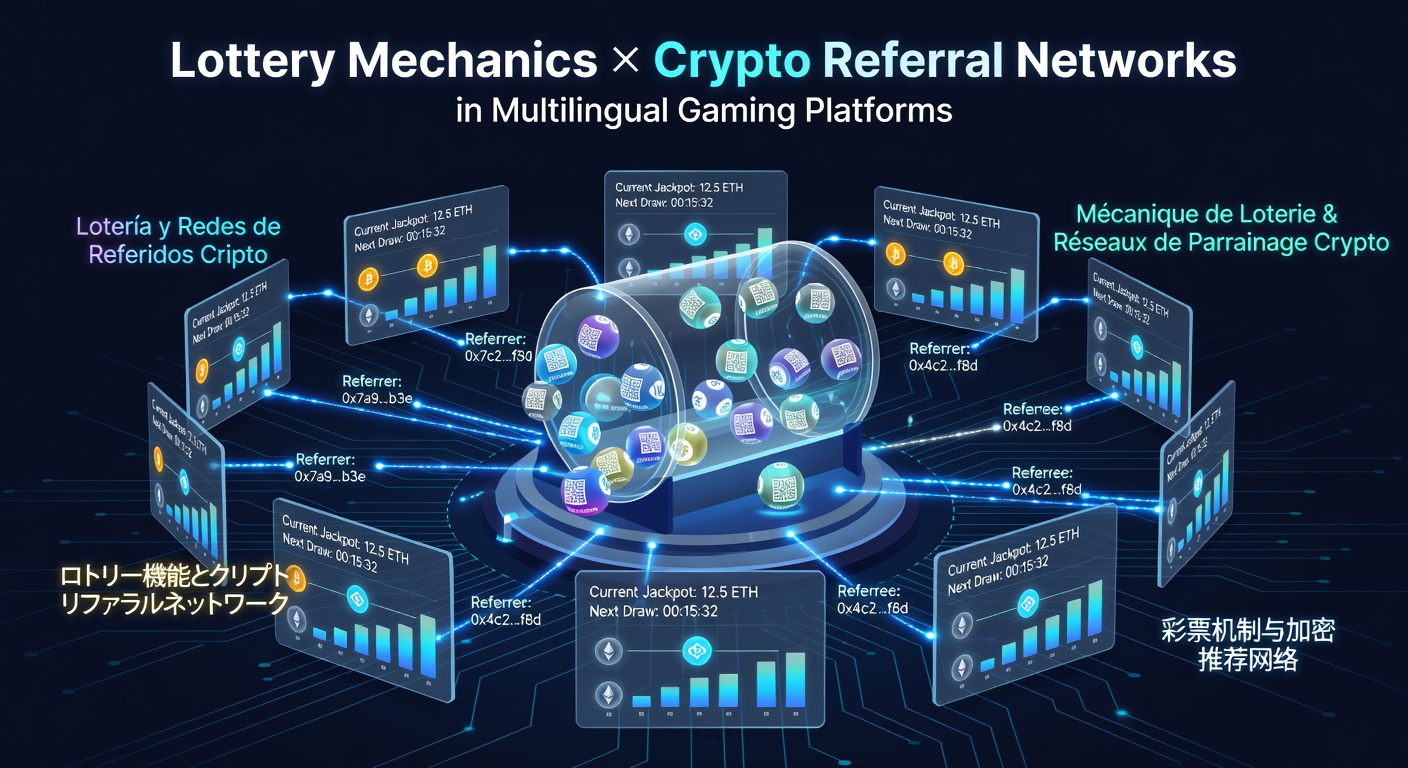
Platforms that operate across multiple languages have started integrating lottery-style prize draws directly into crypto referral structures, and this creates layered incentive models where participants earn entries through network growth rather than direct purchases alone. Observers note that such systems rely on smart contracts to distribute tickets proportionally based on referral activity, which allows the mechanics to scale across regions without requiring centralized oversight for each language market.
Lottery Structures in Digital Environments
Lottery mechanics on these platforms typically function through randomized selection processes tied to user actions, and data from industry reports shows that participants accumulate entries via deposits, gameplay volume, or social sharing rather than traditional ticket sales. Researchers at various academic institutions have documented how these draws maintain provable fairness through blockchain verification, while the multilingual aspect means prize pools and rules appear in localized formats that comply with regional standards.
One study revealed that automated systems adjust draw frequencies based on participation metrics collected from diverse linguistic communities, and this adaptability helps maintain engagement levels across time zones. Figures from regulatory filings indicate that platforms handling such integrations report higher retention rates when referral rewards feed directly into lottery eligibility pools.
Crypto Referral Networks and Their Mechanics
Crypto referral networks operate by tracking wallet addresses through unique codes or links, and commissions or bonuses distribute automatically once referred users complete qualifying transactions. Those who've examined these structures point out that the decentralized nature allows networks to expand without intermediaries, yet verification protocols ensure rewards only trigger after confirmed activity on the platform side.
Platforms support multiple cryptocurrencies for these referrals, and integration with lottery elements means each successful referral can generate additional draw tickets stored on-chain. Evidence suggests this dual-layer approach encourages sustained participation because users see both immediate token rewards and longer-term chances at larger prizes.
Intersection Points in Multilingual Settings
When lottery draws connect with referral tracking on platforms serving several languages, the result appears in unified dashboards that display progress in the user's preferred language while backend calculations remain consistent across all versions. Experts have observed that smart contract logic handles currency conversions automatically, which prevents discrepancies when users from different regions refer each other.

June 2026 marks a period where several platforms expanded these combined features to include additional Asian and European language support, and regulatory updates in multiple jurisdictions required clearer disclosure of how referral data influences draw odds. According to information published by the European Gaming and Betting Association, operators must now provide transparent logs that users can access in their native language.
What's interesting here is the way algorithmic adjustments balance prize distribution so that high-referral users from one linguistic group do not disproportionately affect outcomes for others. Data shows that platforms implement weighting factors derived from regional activity levels to keep the system equitable.
Technical Implementation and Compliance Factors
Developers build these intersections using API connections between referral tracking modules and lottery engines, and the multilingual interfaces pull localized text strings from shared databases while the core logic stays identical. Research indicates that audit trails generated by blockchain entries help satisfy reporting requirements from bodies such as the Malta Gaming Authority and Australia's state-level regulators.
Users receive notifications about earned tickets and upcoming draws through the same referral dashboard, and this consolidation reduces friction for participants managing accounts across different language settings. Observers note that platforms often test these features in beta environments before full rollout to ensure stability across varying internet infrastructures.
One case where experts found successful scaling involved a platform that linked referral milestones to tiered lottery categories, and participants could track their standing in real time regardless of the interface language selected. Such designs rely on consistent data structures that support both crypto transactions and randomized selections without performance drops during peak periods.
Conclusion
The blending of lottery mechanics with crypto referral networks on multilingual gaming platforms continues to evolve through technical refinements and regulatory adaptations. Platforms maintain operational consistency by anchoring both systems to verifiable on-chain records, while language-specific presentations ensure accessibility across global user bases. As of mid-2026, ongoing developments focus on refining fairness algorithms and expanding supported languages to match emerging markets.