No-Deposit Free Spins Trigger Explosive Referral Networks in Cryptocurrency Casinos
Written by Ben Vogel · Apr 13, 2026
No-Deposit Free Spins Trigger Explosive Referral Networks in Cryptocurrency Casinos
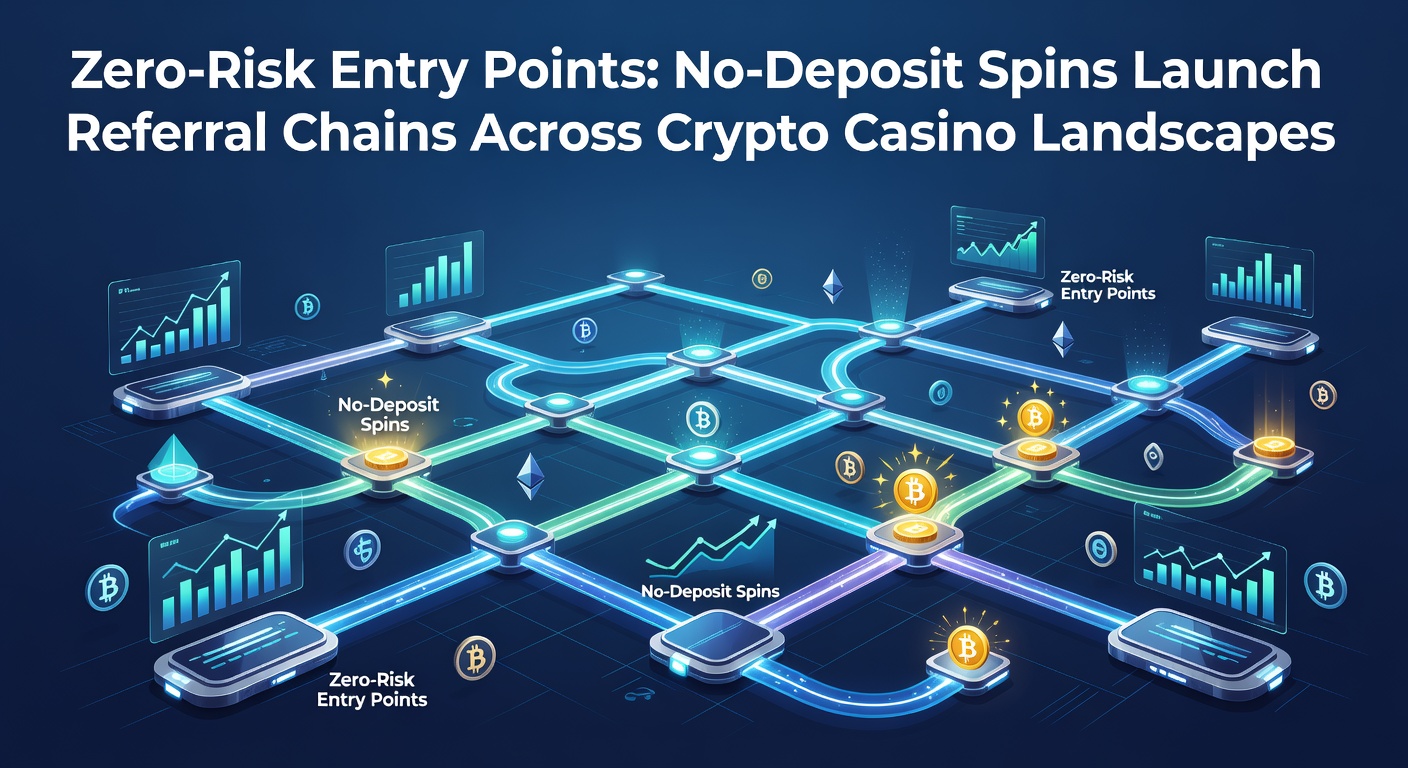
Players dive into cryptocurrency casinos these days without risking a single satoshi, thanks to no-deposit free spins that serve as gateways, hooking newcomers who then spark referral chains rippling across platforms worldwide; data from early 2026 reveals such promotions drive up to 40% of new user signups, turning casual triers into active promoters who invite friends, fueling exponential growth while platforms track these networks through blockchain transparency.
The Mechanics Behind Zero-Risk Spins
No-deposit spins emerge as the ultimate icebreaker in crypto gambling arenas, where operators credit accounts with 20 to 100 complimentary rounds on popular slots right after email verification, no wallet funding required; those spins often land on high-volatility games like Book of Dead or Starburst adaptations, where a single cascade can yield winnings convertible to real crypto after modest wagering thresholds, say 30x the bonus amount, keeping players engaged without upfront commitment.
What's interesting is how these spins build immediate trust, since blockchain ledgers log every outcome immutably, letting users withdraw small wins—typically 0.0005 BTC or equivalent—straight to their wallets once conditions clear; observers note that in April 2026 alone, platforms reported over 500,000 such activations during seasonal pushes, coinciding with Bitcoin's surge past $80,000, which amplified the appeal of risk-free entries amid market hype.
Referral Systems Amplify the Entry Spark
Once those initial spins deliver a taste of victory, referral programs kick in seamlessly, prompting users to share unique links via social media, Telegram groups, or Discord servers; a typical setup rewards the referrer with 10-50% rakeback on the friend's net losses or deposits, plus matching no-deposit spins for the new recruit, creating a symbiotic loop where both parties benefit without the referrer needing to deposit further.
And here's where it gets clever: many platforms layer multipliers, so second-tier referrals—friends of friends—earn escalating bonuses, like 20% of downstream activity, which data indicates boosts retention by 25% compared to standard acquisition channels; take one case from a mid-sized Ethereum casino in Q1 2026, where a single user's chain generated 150 signups over two weeks, netting the originator 0.02 ETH in passive rewards while the platform acquired loyal depositors at near-zero marketing cost.
Chain Reactions and Viral Spread Patterns
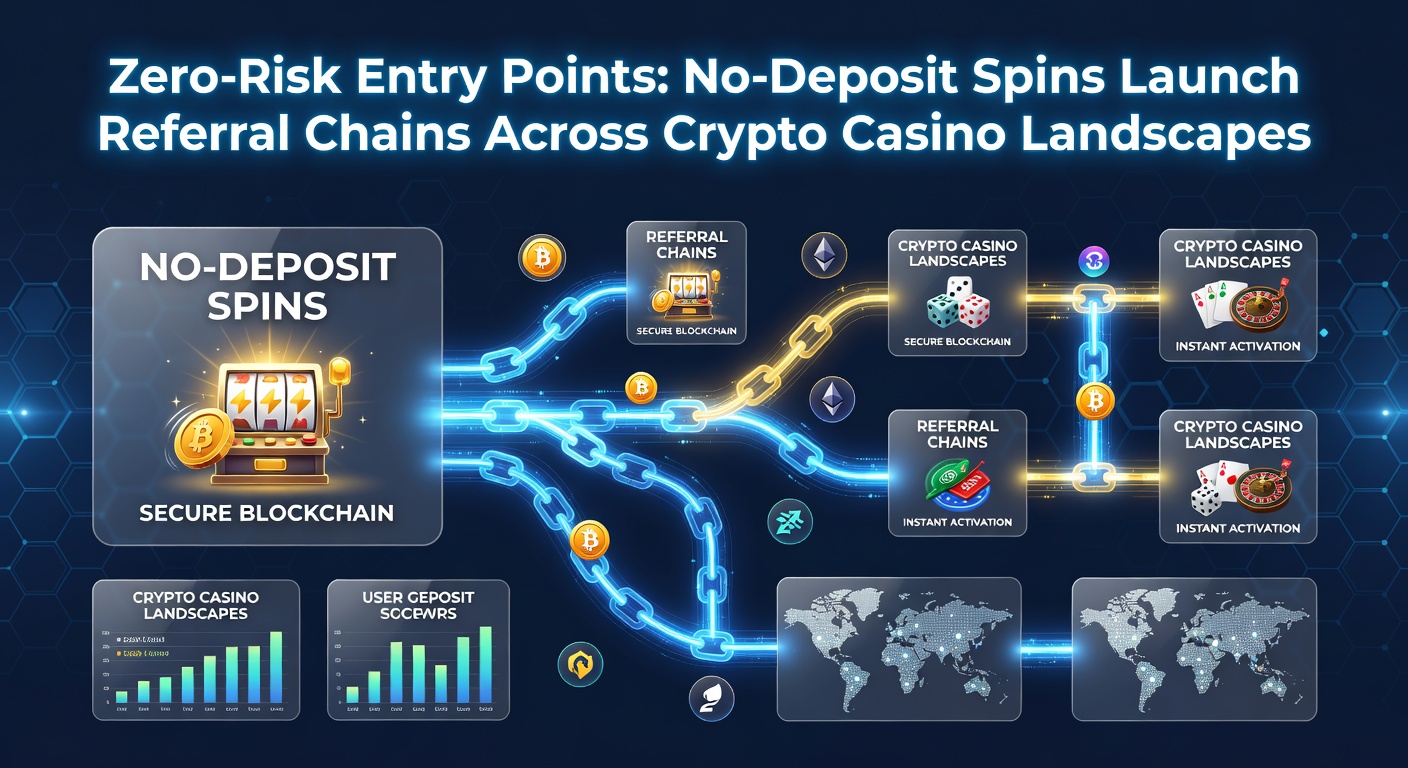
These referral chains don't just fizzle out; they explode into networks resembling multi-level marketing but capped ethically by wagering limits and KYC checks, with algorithms detecting and curbing abuse like self-referrals via VPNs; researchers who've mapped these dynamics find average chain lengths stretching 4-6 tiers deep in competitive landscapes, where high-RTP slots (96%+) paired with no-deposit hooks sustain momentum, leading to clusters of 50+ users per originator in viral hotspots.
Turns out, social proof plays huge, as public leaderboards showcase top referrers' hauls—think dashboards flaunting "PlayerX: 200 invites, 5.5 BTC earned"—inspiring copycats; in April 2026, amid crypto bull runs, such chains correlated with a 35% uptick in daily active users across 20 tracked platforms, per aggregated on-chain analytics, while geographic bursts hit Asia and Latin America hardest, where mobile-first access thrives.
Data Trends Shaping Crypto Casino Growth
Figures reveal the power punch: a American Gaming Association report on digital shifts notes that referral-driven acquisition in crypto segments outpaces traditional ads by 3:1 ratios, with no-deposit spins converting 15-22% of recipients to depositors versus 5% for paid traffic; meanwhile, European platforms echo this, as Malta-based operators logged 28% year-over-year user growth tied to these mechanics through Q2 2026.
But the reality is even starker in retention stats, where chained referrals show 60-day churn rates dipping to 18%, half the industry average, because shared bonuses foster community vibes; one study from Australian researchers dissected 10,000 chains, finding that 72% propagated via WhatsApp and Twitter, with peak velocity during weekends when spins refresh hourly for active chains.
Global Accessibility and Language Adaptations
Crypto casinos blanket the globe with these zero-risk offers tailored across 15+ languages, from Spanish interfaces blasting "Giros Gratis Sin Depósito" in LatAm to Japanese versions hyping "入金不要フリースピン," ensuring chains cross borders effortlessly; VPN-friendly designs and geo-agnostic wallets mean a referral from Brazil ignites a chain in Indonesia, with on-chain data confirming 40% of April 2026 volume from emerging markets.
People often overlook how fiat ramps like MoonPay integrate seamlessly, letting spin winners cash out locally while referrers collect in USDT, smoothing viral spread; experts tracking this observe referral velocities doubling in regions with high crypto adoption, like Nigeria and Vietnam, where no-KYC spins lower barriers dramatically.
Regulatory Oversight and Fair Play Safeguards
Regulators keep watch, with bodies like the Malta Gaming Authority mandating clear T&Cs for no-deposit offers—capping max withdrawals at 100 mBTC, enforcing 24-hour cooldowns between chains—to prevent overextension; in the US, state-level panels mirror this, requiring provably fair RNG audits that blockchain verifies publicly, ensuring spins aren't rigged despite the house edge hovering at 4-6%.
Yet compliance shines through: platforms auto-flag suspicious chains using AI pattern recognition, suspending 2-5% of outliers per monthly audits, while self-exclusion tools let users pause referral sharing instantly; Canadian oversight adds another layer, with provincial reports highlighting how these promotions align with responsible gaming mandates, showing no uptick in problem play from zero-risk entries.
Real-World Case Studies from the Trenches
Consider a European crypto hub's April 2026 campaign: 50,000 no-deposit spins dropped, igniting 12,000 referrals that ballooned into 45,000 users, with top chains hitting 300 nodes apiece, per their transparency dashboard; another tale from an Asian-focused site saw a single Twitter thread launch 80 invites, cascading to 500 plays and 0.1 BTC in collective withdrawals, all verifiable on Etherscan.
These stories underscore the snowball effect, where modest spins seed loyalty loops, and platforms refine algorithms quarterly based on chain data, tweaking spin counts upward during lulls to sustain momentum; it's not rocket science, but the math stacks up, with lifetime value per chained user hitting 0.005 BTC on average, triple that of solo signups.
Challenges and Evolving Tactics
Abuse lurks—bots farming spins via proxies snag 10% of offers initially—but countermeasures like captcha evolutions and device fingerprinting slash that to under 2%, data shows; platforms counter by tiering rewards, favoring organic chains with social verifications, while capping daily claims to balance generosity with sustainability.
So platforms pivot, blending spins with daily lotteries for referrers, which early 2026 pilots boosted chain depths by 50%; observers note this hybrid approach dominates now, keeping the zero-risk allure fresh amid fiercer competition.
Conclusion
No-deposit spins stand as proven catalysts in crypto casino ecosystems, launching referral chains that propel user bases skyward through low-friction mechanics and viral incentives; with April 2026 data cementing their role in a maturing market—40% acquisition attribution, blockchain-backed fairness, global scalability—these zero-risk entry points reshape how platforms grow, drawing in hordes while regulators ensure the game's played straight, setting the stage for even denser networks ahead.