Navigating Referral Pathways for Lottery Participation Through Region-Specific Promotional Platforms
Written by Nils Roth · Aug 26, 2026
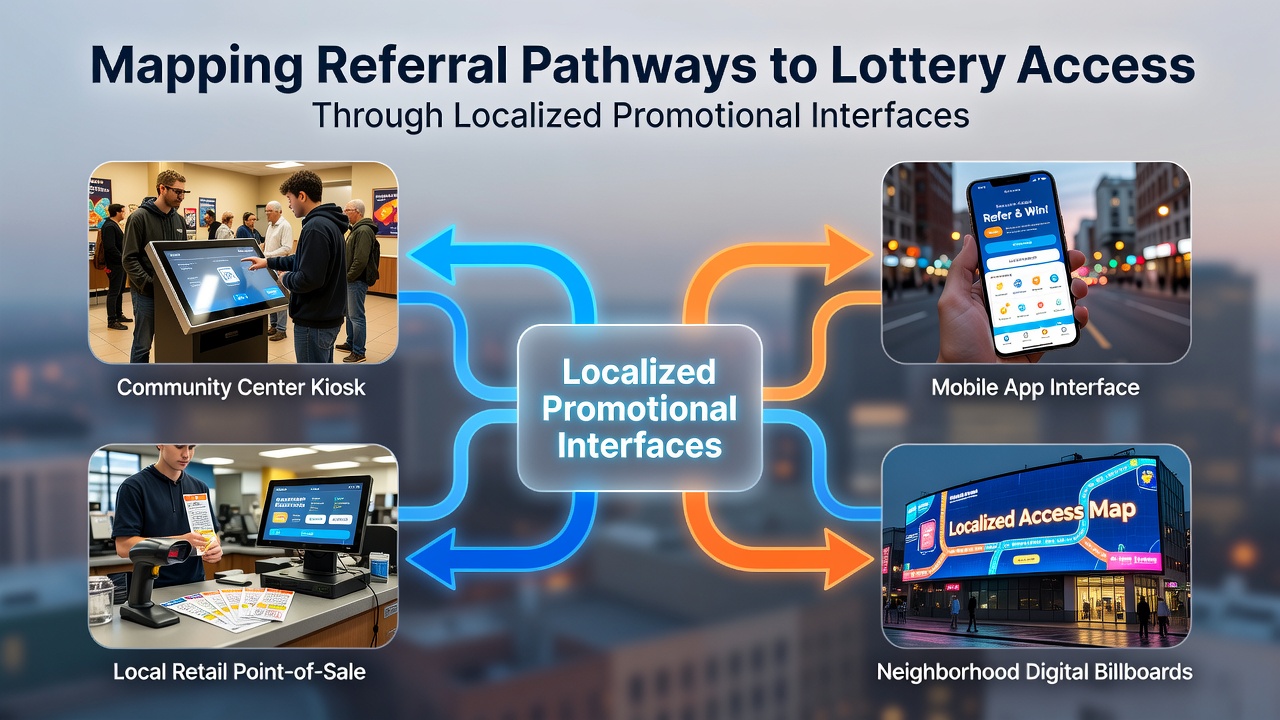
Navigating Referral Pathways for Lottery Participation Through Region-Specific Promotional Platforms
Referral pathways in lottery systems operate through structured networks that connect potential participants with access points tailored to specific geographic and cultural contexts, and these mechanisms have gained attention in regulatory discussions as digital interfaces expand. Data from various national lottery operators show that localized promotional tools, such as region-adapted websites and mobile applications, facilitate entry by matching language, payment options, and regulatory requirements to user locations. In August 2026, several European lottery commissions reported increased use of these interfaces, with referral tracking systems logging millions of unique pathways initiated through partner networks.
Core Components of Referral Mapping
Mapping these pathways begins with identification of entry points where promotional interfaces direct users toward official lottery platforms, and analysts note that successful referrals often rely on data segmentation by postal code, device type, and prior engagement history. Government agencies in Canada and Australia have documented how such mapping supports compliance with age verification and responsible play protocols, since localized tools can embed jurisdiction-specific rules directly into the user flow. Research from academic institutions, including studies published by the University of Sydney's gambling research unit, indicates that referral conversion rates rise when promotional content aligns with regional preferences for game formats and prize structures.
Those who study digital lottery ecosystems observe that referral codes or links function as traceable nodes, allowing operators to monitor traffic sources without compromising user anonymity in initial stages. This process integrates with backend analytics that flag patterns of repeated referrals from single devices or networks, a practice that helps distinguish organic growth from coordinated promotion campaigns. Figures released by the Australian Communications and Media Authority reveal that in the first half of 2026, referral-driven registrations accounted for approximately 28 percent of new lottery accounts in select states, highlighting the scale of these interfaces.
Localization Strategies in Promotional Design
Localized promotional interfaces adapt visual elements, currency displays, and regulatory disclosures to match target regions, and this customization extends to referral mechanics that route users through compliant channels. For instance, platforms serving multiple provinces in Canada adjust tax withholding information and jackpot announcements based on the detected location, which in turn affects how referral incentives are presented. Industry reports from the European Lotteries association demonstrate that such adaptations reduce bounce rates on referral landing pages by aligning content with local expectations around draw schedules and prize claiming procedures.
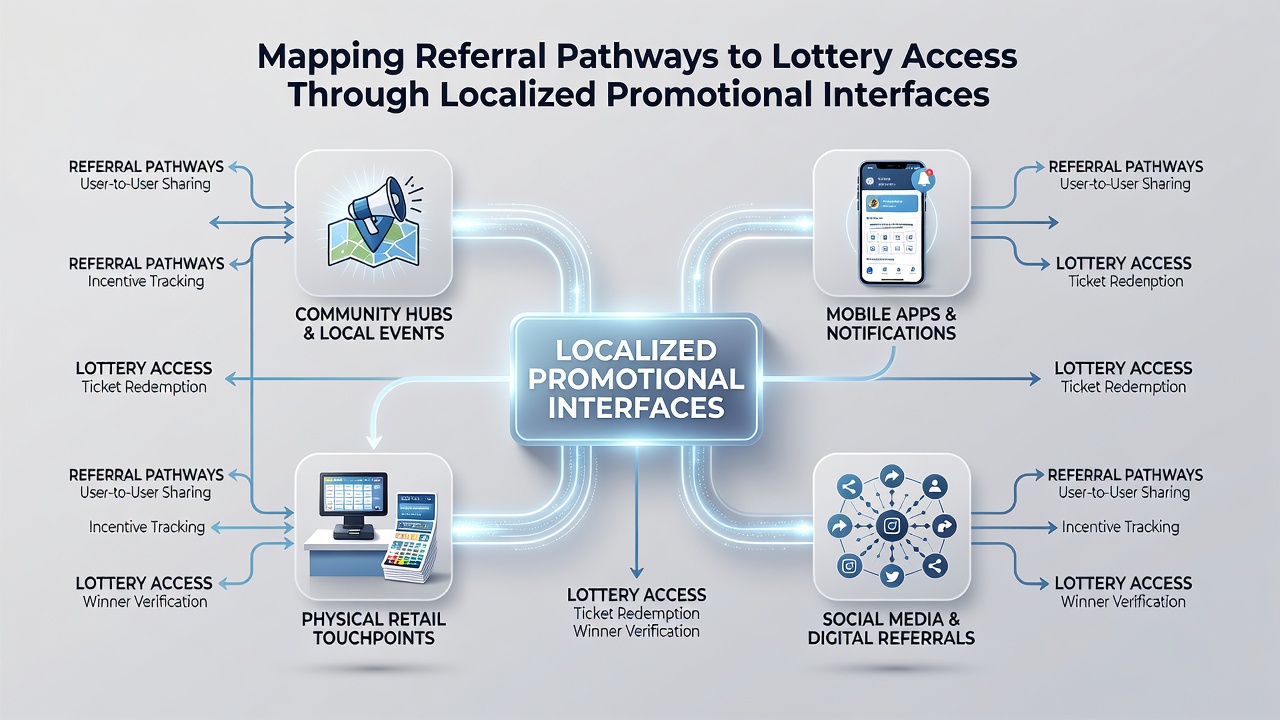
What's notable is the role of mobile optimization in these pathways, because many referrals originate from social sharing or affiliate applications that detect user location via IP or GPS data. Observers at regulatory bodies in New Zealand and South Africa have noted that seamless transitions from promotional apps to official lottery portals depend on pre-verified partnerships, which maintain audit trails for each referral step. Data compiled by the National Council on Problem Gambling in the United States shows regional variations in how these interfaces incorporate self-exclusion tools, with some states requiring immediate linkage to helpline resources upon first access.
Regulatory Frameworks and Data Tracking
Regulatory oversight shapes how referral pathways are constructed and monitored, since different jurisdictions impose distinct requirements on data collection and promotional claims. In the European Union, directives on consumer protection influence teh design of localized interfaces by mandating clear disclosure of odds and referral source transparency. Reports from the Canadian Centre on Substance Use and Addiction highlight that mapping exercises help authorities identify clusters of high-volume referral activity, enabling targeted interventions when patterns suggest potential misuse of promotional channels.
Those who've examined cross-border lottery access point out that referral systems must account for currency conversion, tax treaties, and licensing reciprocity when users move between regions. This complexity increases the value of precise pathway mapping, which can isolate technical friction points such as failed verifications or mismatched promotional offers. Statistics from the South African National Lottery Commission indicate steady growth in referral-driven participation through localized mobile interfaces during 2025 and into mid-2026, underscoring ongoing adaptation by operators.
Technical Infrastructure Supporting Referrals
Backend systems that power these referral pathways typically combine customer relationship management databases with geolocation services, and integration with payment processors ensures that localized interfaces support preferred methods such as bank transfers or digital wallets common in each market. Experts at research centers focused on digital economies note that API connections between promotional partners and lottery operators allow real-time validation of referral eligibility, reducing instances of invalid entries. This infrastructure also supports A/B testing of interface variations across regions, providing measurable outcomes on participation metrics without altering core lottery rules.
Conclusion
Referral pathways mapped through localized promotional interfaces represent a growing intersection of technology, regulation, and consumer access in lottery systems worldwide. Evidence from multiple jurisdictions demonstrates that careful tracking and adaptation of these pathways support both operational efficiency and compliance objectives, while ongoing developments in digital tools continue to refine how participants reach official entry points. As regional requirements evolve, the frameworks for mapping and managing referrals provide structured methods for maintaining transparency and accessibility across diverse markets.