Mapping Player Journeys Across Crypto Platforms: The Intersection of Affiliates, Incentives, and Standards
Written by Nils Roth · Sep 9, 2026
Mapping Player Journeys Across Crypto Platforms: The Intersection of Affiliates, Incentives, and Standards
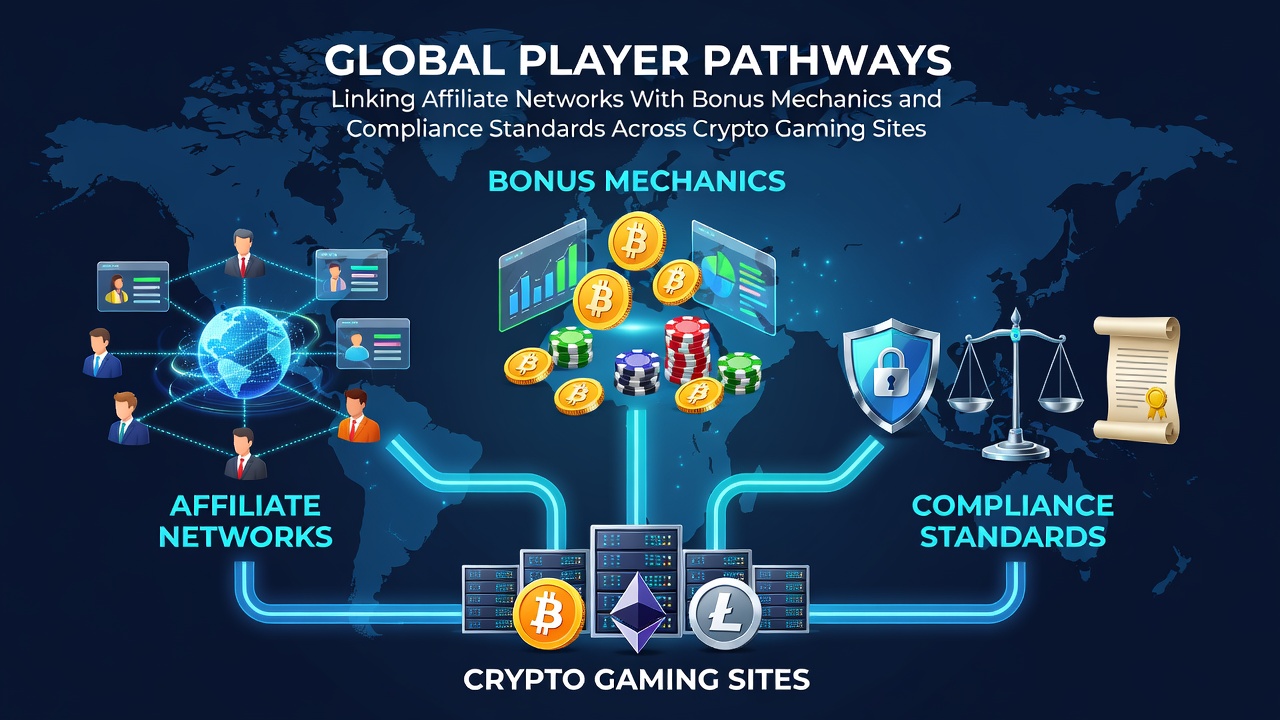
Player pathways in cryptocurrency gaming environments trace routes that begin with affiliate promotions and extend through structured bonus systems while remaining anchored in regulatory frameworks that vary by jurisdiction. These pathways function as interconnected sequences where initial referrals lead participants toward deposit incentives and ongoing engagement rewards. Research from multiple regions shows that affiliate networks serve as primary entry points for new users, channeling traffic through targeted campaigns that align with specific bonus mechanics designed to encourage registration and first deposits.
Affiliate Networks as Entry Mechanisms
Affiliate programs operate through commission structures that reward promoters for directing verified participants to crypto gaming platforms. Data indicates these networks often incorporate performance metrics tied directly to player retention periods and deposit volumes. Observers note that successful affiliates maintain transparency regarding terms while adapting promotional materials to regional compliance requirements. In practice, the mechanics involve unique tracking codes that follow user activity from initial click through subsequent bonus claims and wagering completion. Studies reveal that platforms integrating real-time analytics within affiliate dashboards achieve higher conversion rates because they allow promoters to adjust campaigns based on live performance indicators.
Bonus Mechanics and Their Structural Links
Bonus systems in crypto gaming typically combine welcome packages, free spin allocations, and loyalty rewards with defined wagering requirements. These elements connect to affiliate pathways because referral codes frequently unlock enhanced versions of standard promotions. Evidence suggests that platforms using tiered bonus structures see increased engagement when affiliates highlight progressive reward ladders. Compliance standards require clear disclosure of contribution percentages, maximum bet limits during playthrough, and expiration timelines for all incentives. Those who examine operational models find that seamless integration between affiliate tracking systems and bonus engines reduces administrative errors and supports accurate reporting to oversight bodies.
Compliance Standards Across Regions
Regulatory expectations differ significantly between markets yet share common threads around responsible advertising and player protection. Reports from the Australian Communications and Media Authority highlight requirements for prominent risk disclosures in promotional content distributed through affiliate channels. Meanwhile, frameworks in Canadian provinces emphasize age verification protocols that must activate before any bonus activation occurs. A research paper published by the University of Nevada Reno Gaming Research Center examines how crypto-specific platforms adapt traditional compliance tools to blockchain transaction monitoring. Figures reveal that operators implementing automated compliance checks at multiple pathway stages experience fewer regulatory interventions.
What's interesting emerges when affiliate networks incorporate geo-fencing technology that restricts promotional visibility based on user location. This technical layer helps align marketing efforts with local licensing conditions. Platforms that maintain separate bonus catalogs for different regulatory zones demonstrate how compliance influences the design of incentive mechanics from the outset. And observers point out that September 2026 marks the scheduled rollout of updated transaction reporting standards across several European member states, prompting platforms to revise affiliate dashboards accordingly.
Integration Points and Operational Flow
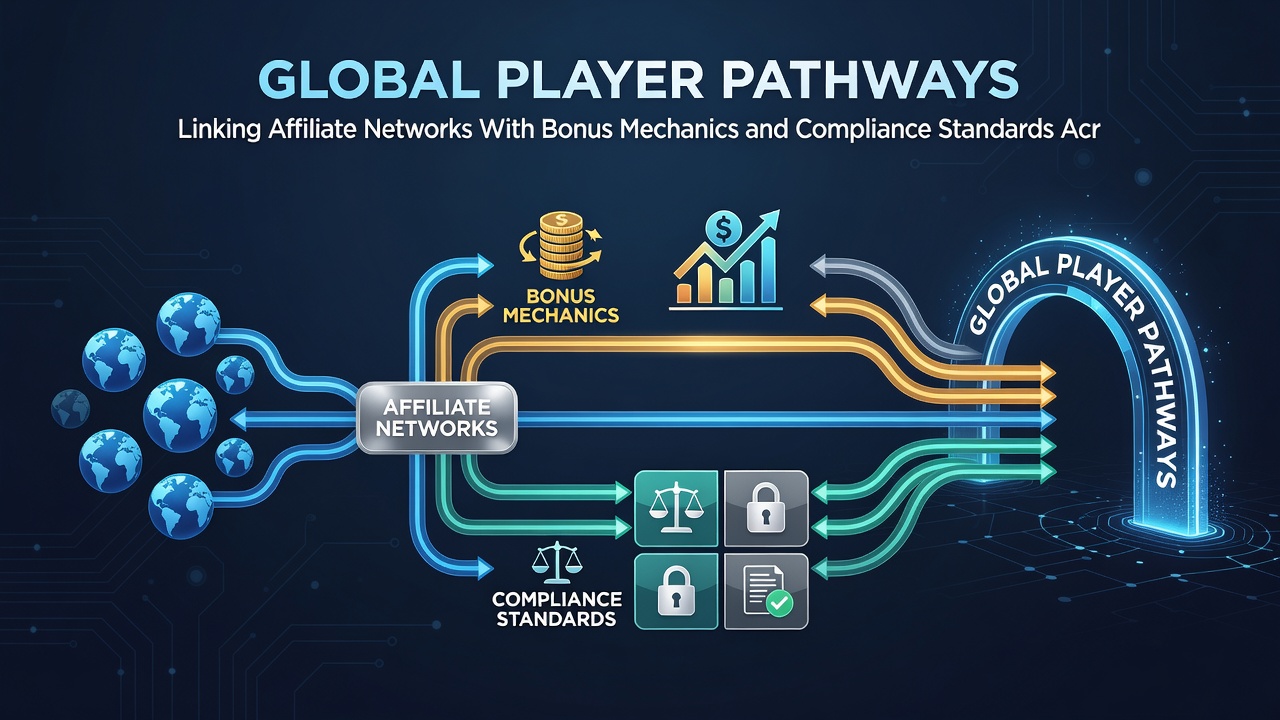
The connection between these components occurs at several operational nodes. Affiliate portals feed user data into bonus administration systems that simultaneously check against compliance databases. When a participant claims an incentive, automated scripts verify that the originating referral complies with regional advertising rules and that the bonus terms satisfy local wagering regulations. Research indicates that platforms investing in unified backend architecture reduce processing delays and support faster resolution of player queries. Those who've reviewed operational case studies note that mid-sized operators often achieve integration through modular software solutions rather than complete system overhauls.
But here's the thing: crypto volatility introduces additional compliance considerations because bonus values fluctuate with token prices. Some jurisdictions now require platforms to lock bonus amounts in fiat equivalents at the moment of claim. This practice stabilizes player expectations while maintaining transparency across affiliate-reported performance metrics. Data from industry associations shows steady growth in platforms adopting such stabilization features since 2024.
Future Developments and Pathway Evolution
Emerging trends point toward greater personalization of player pathways while maintaining strict adherence to compliance protocols. Machine learning models now analyze referral source quality alongside bonus engagement patterns to refine both affiliate payouts and incentive offerings. Experts observe that these tools help platforms anticipate regulatory shifts before they take effect. The scheduled updates in September 2026 represent one such shift, focusing on enhanced audit trails for all bonus-related transactions. Platforms preparing early have begun testing enhanced logging features within their affiliate and bonus management systems.
Conclusion
Global player pathways in crypto gaming continue to evolve through tighter linkages between affiliate networks, bonus mechanics, and compliance standards. These connections create structured routes that guide participants from discovery to sustained engagement while satisfying diverse regulatory expectations. Continued investment in integrated technology supports both operational efficiency and adherence across multiple jurisdictions.