Kewadin Casinos Unveils Ambitious Renovation Plan for Five Michigan Locations
Written by Avery Sullivan · Jun 13, 2026

Kewadin Casinos Unveils Ambitious Renovation Plan for Five Michigan Locations
Kewadin Casinos has announced a sweeping multi-year renovation initiative designed to modernize all five of its casino properties throughout Michigan, and this project targets facility updates as part of broader advancements in the tribal gaming sector. The effort encompasses locations in Sault Ste. Marie, St. Ignace, Christmas, Hessel, and Manistique, where operators plan phased improvements that address structural elements, guest amenities, and operational systems. According to details released by the Sault Ste. Marie Tribe of Chippewa Indians, which oversees the properties, work will proceed in stages to minimize disruptions while delivering comprehensive upgrades.
Scope of the Multi-Year Initiative
The renovation covers every site under the Kewadin banner, and planners have outlined timelines that extend across several years with initial phases focused on high-traffic areas such as gaming floors and hospitality zones. Construction teams will integrate modern technologies including enhanced lighting systems, improved climate controls, and updated security infrastructure, while design elements draw from regional aesthetics to maintain cultural connections. Data from the National Indian Gaming Commission shows steady growth in tribal gaming revenues across the Midwest, which supports investments like these that refresh aging facilities and align them with evolving visitor expectations.
Project managers coordinate with tribal leadership to sequence activities so that each property maintains continuous operations during upgrades. For instance, one location might see dining areas refreshed first, followed by gaming expansions, whereas another prioritizes exterior improvements and parking enhancements. This staggered approach allows crews to apply lessons from early stages to subsequent sites, which reduces overall timelines and controls costs effectively.
Regional Context and Industry Trends
Michigan's tribal gaming landscape has expanded considerably since the early 2000s, and operators across the state continue to invest in infrastructure to sustain competitiveness. The Kewadin project aligns with patterns observed by industry analysts who track capital expenditures in Native American-owned casinos, where modernization often correlates with increased guest retention and higher per-visit spending. Figures from the Michigan Gaming Control Board indicate that tribal facilities contribute substantially to local economies through employment and supplier contracts, which makes facility upgrades a strategic move for long-term viability.
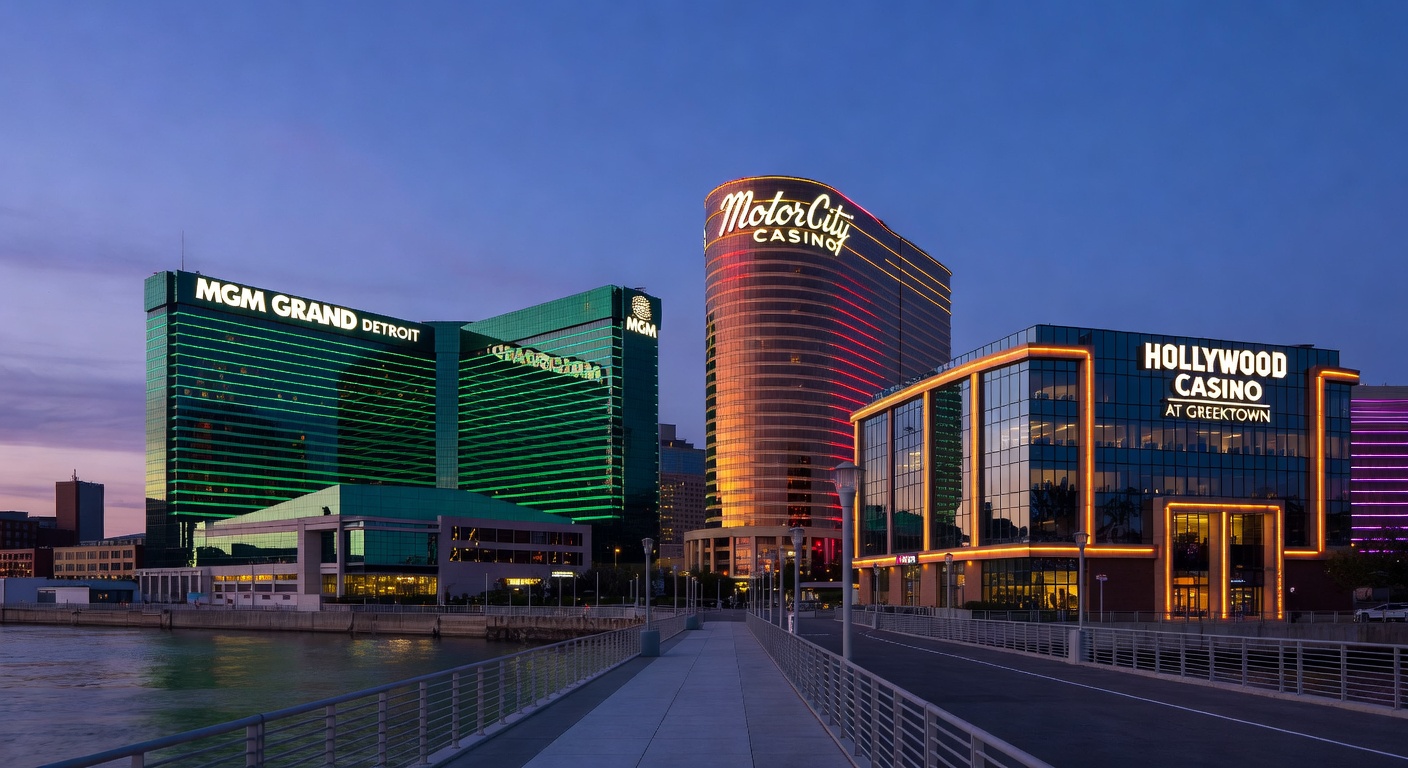
Observers note that similar initiatives have taken place at other tribal properties in the Great Lakes region, where operators replace outdated equipment and redesign spaces to accommodate new game formats. Kewadin's plan incorporates elements such as expanded convention spaces and refreshed hotel accommodations that cater to both leisure and business travelers. Research from academic sources, including reports issued by university extension programs in the Midwest, highlights how such investments can stimulate tourism in rural counties and support ancillary businesses like restaurants and retail outlets.
Timeline and June 2026 Milestones
Initial planning documents reference a structured rollout beginning in 2025, with significant milestones targeted for June 2026 when several properties are expected to unveil completed sections of their renovations. During that period crews will finalize key elements including upgraded slot machine banks and redesigned lounge areas, while additional phases will address remaining common spaces and outdoor amenities. Coordination with suppliers ensures timely delivery of materials, and project leads maintain contingency plans to handle potential delays from weather or supply chain variables.
Community stakeholders have received updates through tribal council meetings, where details about job creation during construction phases were shared. The initiative is projected to generate temporary employment opportunities for local tradespeople, and permanent positions may arise once new facilities open and require additional staff for maintenance and guest services. Those who've followed tribal gaming developments recognize that projects of this scale often serve as catalysts for broader economic activity in surrounding areas.
Integration with Broader Sector Upgrades
Upgrades at Kewadin properties occur alongside industry-wide shifts toward digital integration and sustainability measures. Facility managers evaluate energy-efficient systems during the renovation process, which aligns with guidelines promoted by environmental agencies and reduces long-term operational expenses. A study published by a Canadian research institute on gaming facility management found that properties incorporating such features often achieve measurable reductions in utility costs while improving overall guest satisfaction scores.
Communication channels between Kewadin leadership and regulatory bodies remain active throughout the project, ensuring compliance with all applicable standards for construction and gaming operations. This collaboration helps maintain the integrity of the tribal gaming compact while allowing flexibility for innovative design choices that differentiate the properties from competitors.
Conclusion
The multi-year renovation at Kewadin Casinos represents a substantial commitment to updating five distinct Michigan locations, and the phased execution strategy supports ongoing business continuity. Through coordinated efforts involving tribal governance, construction professionals, and regulatory oversight, the initiative advances facility standards within the tribal gaming sector. As work progresses toward the June 2026 benchmarks, observers will track outcomes related to economic impacts and operational improvements across the network.