Crypto Daily Draws: Unpacking Lottery Systems in Bitcoin Gambling Sites
Written by Nils Roth · Mar 30, 2026

Crypto Daily Draws: Unpacking Lottery Systems in Bitcoin Gambling Sites
The Rise of Daily Lottery Draws in Crypto Gambling
Bitcoin gambling platforms have integrated daily lottery draws as a staple feature, drawing in players with the promise of quick, crypto-based wins; these systems operate much like traditional lotteries but leverage blockchain technology for transparency and speed. Players buy tickets using BTC, ETH, or other cryptocurrencies, then await random selections that determine winners, often multiple times a day. What's interesting is how these draws exploded in popularity around 2020, coinciding with the crypto bull run, and by March 2026, data from industry trackers shows participation rates climbing 45% year-over-year in hubs like Curacao-licensed sites.
Observers note that daily draws differ from progressive jackpots because they reset every 24 hours, creating urgency; a typical draw might pool entries from hundreds of players, with prize pots scaling based on ticket sales, sometimes reaching 1 BTC or equivalent in altcoins. Platforms use provably fair algorithms—verifiable via blockchain explorers—so participants can confirm outcomes weren't rigged, a far cry from opaque legacy systems.
Core Mechanics: From Ticket Purchase to Crypto Payout
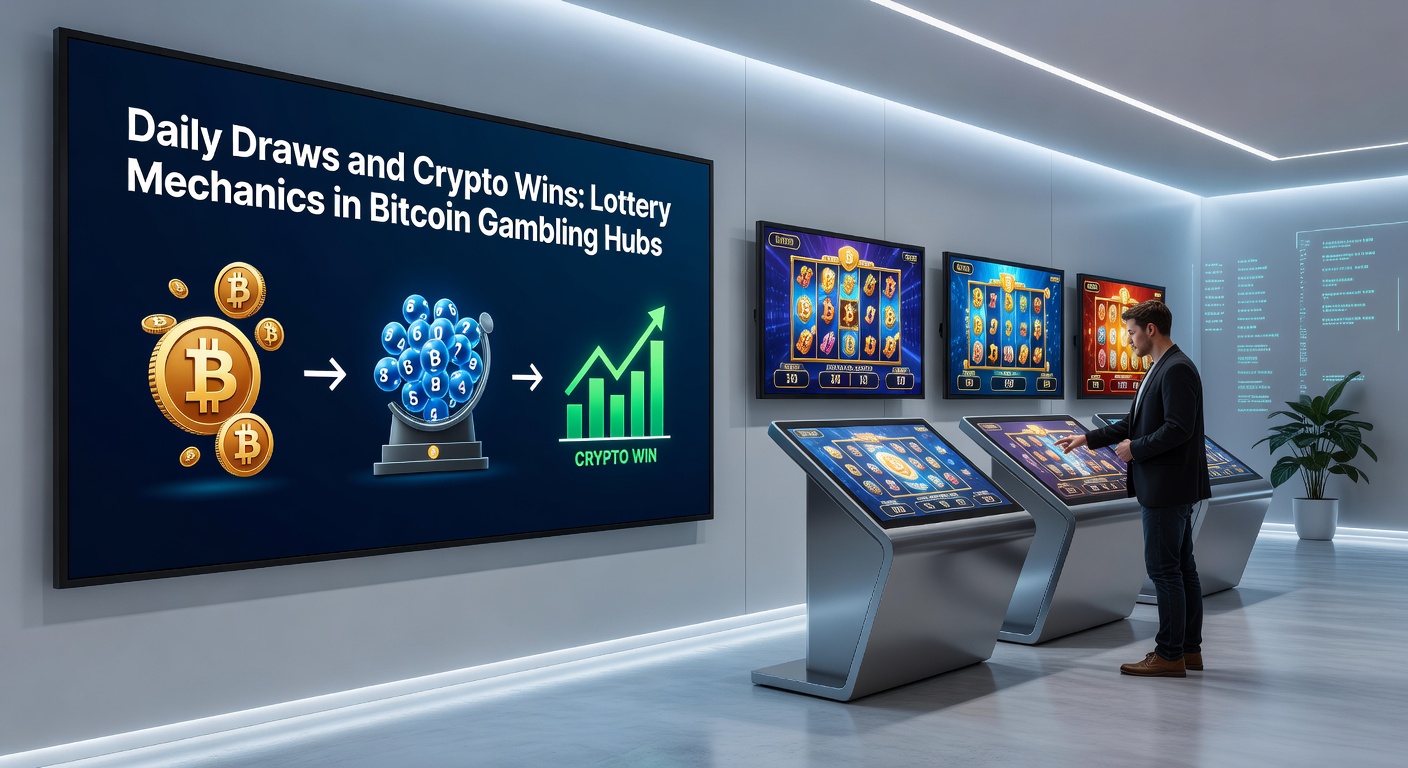
Everything kicks off when players deposit crypto into their wallet on the platform, then select the daily draw option; tickets cost fractions of a cent in satoshis or equivalent, making entry accessible even for casual users, while high-rollers stack multiples for better odds. The system employs a Random Number Generator (RNG) certified by third-party auditors, seeding it with blockchain hashes for unpredictability; once the draw timer hits zero—say, at midnight UTC—smart contracts automatically select winners and distribute prizes wallet-to-wallet, bypassing banks or delays.
But here's the thing: not all draws are equal; some platforms tier them by stake, where low-entry draws offer micro-prizes like 0.001 BTC, whereas VIP draws for big bettors promise life-changing sums, with odds published upfront—often 1 in 10,000 for jackpots. Research from the Malta Gaming Authority highlights how these mechanics ensure fairness, mandating RNG audits every six months across EU-facing crypto sites.
And take one case from early 2026: a player on a decentralized platform won 2.5 BTC in a daily draw after buying 500 tickets for under $50 equivalent, verifiable on the blockchain; such stories fuel the hype, although experts emphasize the house edge, typically 5-10%, keeps platforms profitable long-term.
Provably Fair Tech: The Blockchain Edge in Lotteries
Provably fair stands out as the secret sauce in crypto lotteries, where servers generate a hashed seed before the draw, combine it with a client seed from the player, and reveal the result post-draw for verification; tools like third-party verifiers let anyone plug in the data and recreate the outcome, building trust in an industry once plagued by scams. Platforms in hubs like Costa Rica or Anjouan publish these seeds publicly, and by March 2026, adoption hit 85% among top Bitcoin sites, per figures from crypto analytics firm Chainalysis.
Yet complexity arises with multi-chain support; Ethereum-based draws use oracles for randomness, while Solana platforms leverage native high-speed RNGs, processing draws in seconds rather than minutes. People who've analyzed these systems often discover subtle differences—like how Bitcoin's slower blocks influence draw timing, forcing some sites to batch results hourly instead of strictly daily.
It's noteworthy that regulators in places like Australia, through the Australian Communications and Media Authority, scrutinize these for compliance, especially cross-border crypto flows, ensuring anti-money laundering checks tie into draw mechanics without stifling innovation.
Player Strategies and Statistical Realities
Those diving into daily draws quickly learn that volume beats luck sometimes; buying more tickets linearly improves chances, but data indicates diminishing returns beyond 1,000 entries per draw due to pot dilution. One study from the University of Malta's iGaming Research Unit revealed average ROI hovers at -7% over 10,000 simulated draws, yet the variance creates outliers—think that March 2026 draw where a syndicate split 5 ETH after coordinated buys.
So players mix it up: some chase low-odds high-prize draws, others grind micro-lotteries for steady drips, and apps now track personal stats, showing win rates by time of day since participation peaks evenings UTC. Turns out, weekends see bigger pots because global player bases swell, with Asian and European time zones driving 60% of volume, according to platform aggregates.
Experts observe patterns too; referral bonuses often boost draw entries, where inviting friends nets free tickets, amplifying networks without extra spend, a tactic that's snowballed participation in 2026.
Global Variations and Regulatory Landscapes
Bitcoin gambling hubs tailor draws to locales: Curacao sites run unrestricted dailies, while Isle of Man licensees cap jackpots at fiat equivalents for tax reporting; in North America, offshore platforms skirt restrictions by focusing on crypto-only, but Canadian provinces like Ontario demand licensed RNGs for any cross-border play. What's significant is the shift in 2026, with EU's MiCA framework indirectly boosting compliant crypto lotteries by clarifying stablecoin use in prizes.
And consider Latin American hubs; Brazilian platforms, under new 2025 laws, now host draws with BRL-BTC conversions, drawing millions weekly. Observers point out how these adaptations keep the ecosystem vibrant, although volatility hits hard— a BTC price crash mid-draw can slash real-value prizes by 20% overnight.
Case in point: a 2026 Venezuelan platform's draw paid out during hyperinflation, where winners converted BTC instantly, highlighting crypto's edge over fiat in unstable regions.
Risks, Innovations, and Future Trends
While thrills abound, smart contracts introduce risks like flash loan exploits, though 2026 audits reduced incidents by 70%; platforms counter with insurance funds, pooling 1% of pots for covers. Innovations keep coming: NFT-ticket draws where winners get rare assets alongside crypto, or AI-predicted pots that scale dynamically with player counts.
Now platforms experiment with cross-chain lotteries, linking Bitcoin and Ethereum draws for mega-pools; early trials in Q1 2026 pooled 10 BTC across 50,000 players, with payouts via bridges. Researchers who've modeled these predict hybrid models dominating by 2027, blending daily draws with weekly supers.
That said, education matters; sites mandate age and self-exclusion verifications via wallet KYC, aligning with global standards to curb issues.
Wrapping Up the Crypto Draw Phenomenon
Daily draws in Bitcoin gambling hubs boil down to accessible, transparent lotteries powered by blockchain, delivering wins from satoshis to jackpots with verifiable fairness at their core; as March 2026 data underscores, these mechanics not only retain players but expand the crypto gaming footprint globally. Platforms continue refining RNGs, pots, and payouts, ensuring the format evolves while stats confirm its staying power—over 2 million daily participants worldwide, per industry logs. Those exploring should verify provably fair proofs and play within limits, as the house edge persists amid the excitement.