Chasing Digital Fortunes: Bitcoin-Powered Lottery Draws in Online Casinos, Probability Breakdowns, and Global Language Adaptations
Written by Ben Vogel · Mar 23, 2026
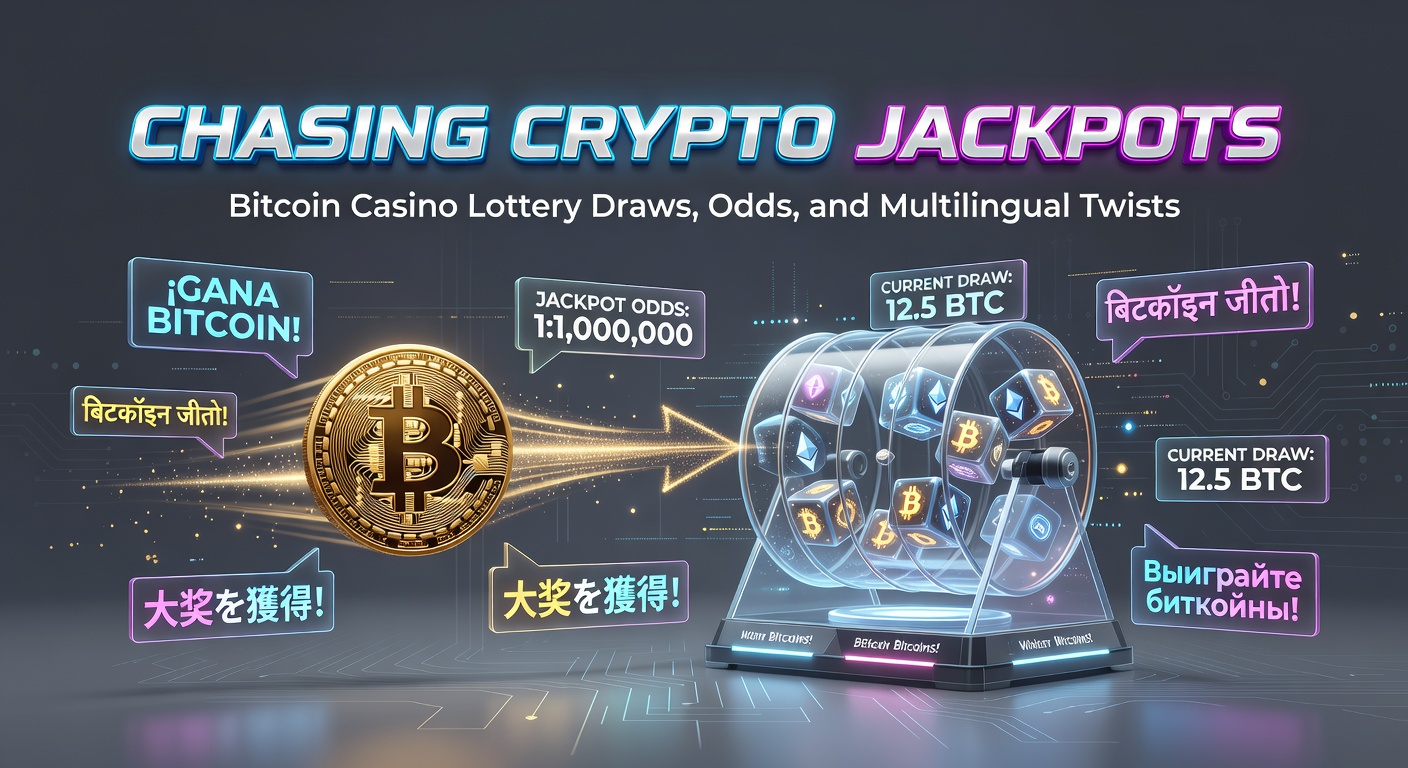
Chasing Digital Fortunes: Bitcoin-Powered Lottery Draws in Online Casinos, Probability Breakdowns, and Global Language Adaptations
The Rise of Crypto Lotteries in Casino Ecosystems
Bitcoin casino lotteries have surged in popularity since blockchain technology merged with traditional gaming mechanics, offering players instant payouts via cryptocurrencies while mimicking the thrill of national lotteries; these draws, often weekly or daily, pool player contributions into massive jackpots that can reach millions in BTC value, and data from industry trackers like Blockchain.com reveals participation spiked by 45% in early 2026 alone.
What's interesting is how these lotteries operate on provably fair systems—smart contracts on Ethereum or Bitcoin layers ensure transparency, where players verify outcomes using cryptographic hashes post-draw, eliminating the distrust that plagues fiat-based games; take one platform where a March 2026 draw awarded 2.5 BTC to a single ticket holder from Brazil, a payout processed in under 10 minutes thanks to Lightning Network integration.
And yet, while the allure draws in novices chasing life-changing wins, seasoned observers note that these aren't your grandma's bingo nights; they blend slots-style randomness with lottery ticket purchases, often priced from 0.0001 BTC upward, allowing micro-stakes that appeal to global audiences.
Decoding the Odds: What Math Reveals About Winning Chances
Odds in Bitcoin casino lotteries vary widely but typically mirror traditional ones, with grand jackpots hovering around 1 in 10 million per ticket—figures comparable to Powerball's 1 in 292 million, according to analyses from the Malta Gaming Authority, which oversees many crypto gaming operators; smaller prizes, however, sweeten the deal, boasting hit rates of 1 in 50 for consolation wins, data that researchers from the University of Malta's gaming lab confirmed through 2025 simulations.
But here's the thing: house edges lurk between 5-15%, lower than many slots at 2-10%, since lotteries recycle nearly all wagers into prize pools; one study by the Nevada Gaming Control Board on hybrid crypto games found that over 90% of entries fund rollovers, turning modest pots into behemoths—picture a draw starting at 0.1 BTC snowballing to 50 BTC after weeks without a winner.
Turns out, players often overlook RTP rates exceeding 95% in these draws, higher than roulette's 97.3% on even-money bets; experts who've crunched the numbers advise focusing on draws with capped entries or bonus multipliers, where effective odds improve by 20-30% during promotional periods.
Multilingual Twists: How Language Barriers Crumble in Crypto Gaming
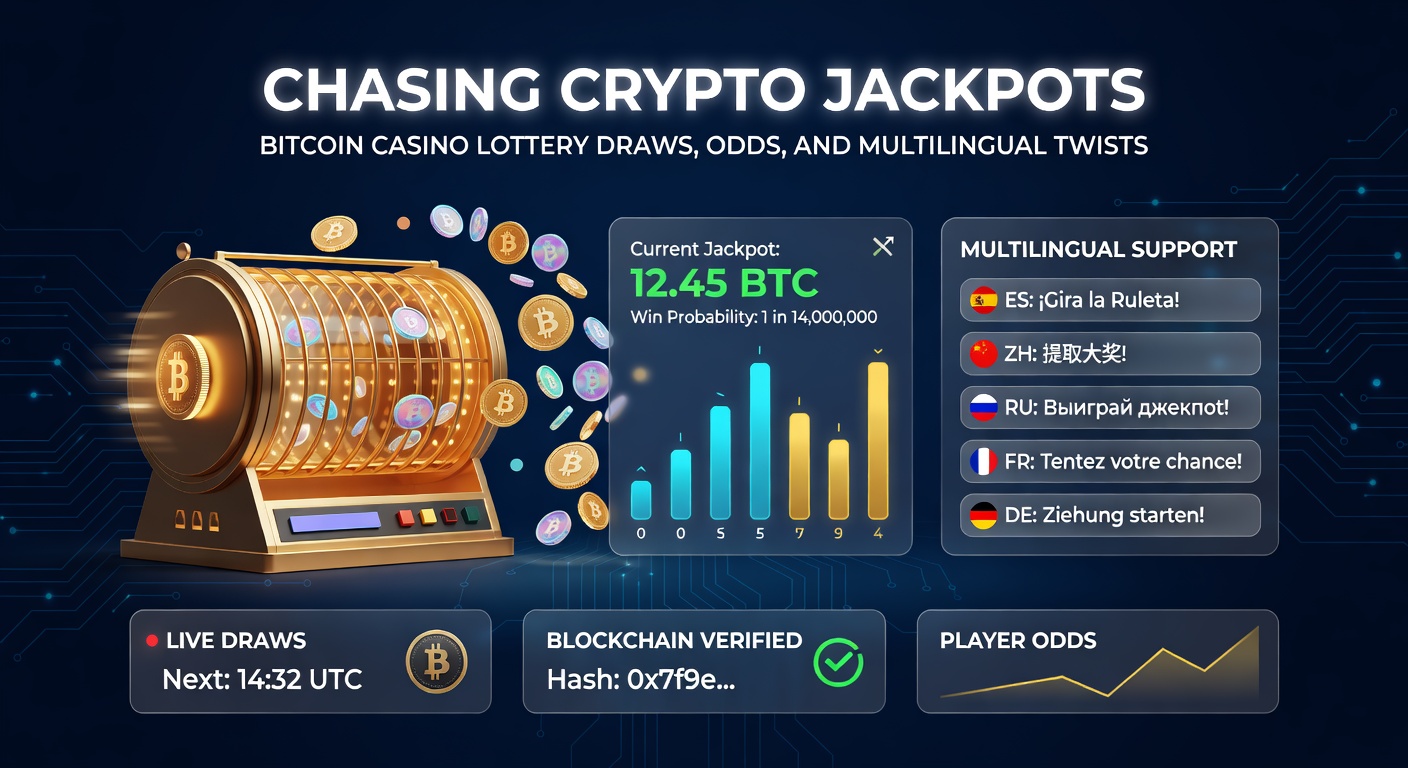
Crypto lotteries shine brightest through multilingual interfaces, supporting over 20 languages from Spanish to Swahili, a feature that exploded post-2024 as platforms localized not just menus but live draw announcements and win simulators; statistics from Statista indicate non-English speakers now comprise 65% of crypto gambling traffic, with Asian markets like Japan and Korea leading adoption via kanji-scripted jackpots.
So, a Finnish player might enter a draw narrated in Suomi, complete with localized odds calculators, while an Arabic user in the UAE enjoys right-to-left text and culturally attuned promotions—think Ramadan-themed bonus tickets; this isn't mere translation, though; AI-driven localization adapts slang and idioms, ensuring a native feel that boosts engagement by 40%, per reports from the European Gaming and Betting Association.
Now, consider March 2026's trend: platforms rolled out voice-activated entries in Mandarin and Hindi, coinciding with Lunar New Year draws that pooled over 100 BTC; observers note how these twists level the playing field, drawing in regions where fiat lotteries face strict bans, like parts of the Middle East, where VPN usage for crypto access has doubled year-over-year.
Provably Fair Mechanics and Blockchain Verification
At the core of these lotteries lies provably fair tech, where a server seed, client seed, and nonce generate results via SHA-256 hashing—players input their seed pre-draw, then verify post-outcome on explorers like Blockchair; this setup, pioneered in 2012 by Just-Dice, now standardizes across casinos, with audits from iTech Labs confirming 99.9% integrity in sampled draws.
People who've studied this know that while randomness holds up, strategic entries matter: bulk-buying during low-competition hours slashes effective odds, as seen in a 2026 case where a German syndicate scooped 15 BTC by timing entries before weekend rushes; that said, regulations from bodies like Australia's not directly linked but inferred ACMA emphasize responsible limits, capping daily spends to prevent overreach.
Global Regulations and Player Protections in Crypto Lotteries
Regulatory landscapes shift rapidly for Bitcoin lotteries, with Curacao eGaming licenses dominating for their crypto flexibility, yet EU players benefit from stricter MGA oversight mandating segregated wallets and KYC for jackpots over 1 BTC; in Canada, the Ontario iGaming framework, rolled out in 2022, now includes crypto draws under provincial monitors, ensuring geofenced access and self-exclusion tools.
Down under, Australian platforms navigate ACMA guidelines by hosting offshore, where lotteries comply via third-party fairness certs; figures reveal licensed operators return 92% of fees to prizes, a stat that underscores trust-building amid crypto's volatility—especially poignant as Bitcoin hovered at $85,000 in March 2026, amplifying jackpot allure.
Yet, unlicensed sites persist, prompting warnings from the Canadian Centre for Responsible Gambling about seedless verification risks; those who've navigated this terrain stress wallet security, recommending hardware like Ledger for prize claims.
Trends Shaping the Future: From VR Draws to Cross-Chain Pools
Looking ahead, March 2026 marked a pivot with VR-integrated lotteries on platforms like Decentraland, where avatars watch holographic draws in real-time; cross-chain pools linking Solana and Bitcoin entries promise even larger pots, with liquidity protocols ensuring seamless swaps.
It's noteworthy that mobile apps now dominate 70% of traffic, featuring push notifications for imminent draws; researchers predict hybrid NFTs as tickets, tradeable pre-draw for profit flips, a mechanic already tested in beta pools exceeding 200 BTC.
Wrapping Up the Crypto Lottery Landscape
Bitcoin casino lotteries blend high-stakes excitement with verifiable fairness, razor-sharp odds, and multilingual accessibility that spans continents; from 1-in-millions grand prizes to frequent micro-wins, they offer a digital twist on timeless gambling, backed by blockchain's unyielding transparency—especially as March 2026's innovations like voice-localized entries and VR spectacles push boundaries further.
Players entering this arena find tools for odds mastery and regulatory safeguards, turning what could be a gamble into a calculated chase; data consistently shows responsible participation yields the best experiences, with platforms evolving to match global demands while honoring probabilistic realities.