Chasing Crypto Fortunes: Bitcoin Lotteries and Jackpot Dynamics in Digital Casinos
Written by Ben Vogel · Apr 2, 2026

Chasing Crypto Fortunes: Bitcoin Lotteries and Jackpot Dynamics in Digital Casinos
The Rise of Jackpot Features in Crypto Gambling Platforms
Crypto casinos have transformed online gaming since Bitcoin's integration around 2011, and jackpot chases stand out as one of the most captivating elements, drawing players with promises of life-altering payouts funded by pooled wagers in Bitcoin or other cryptocurrencies. These features, often tied to slots or dedicated lottery-style games, accumulate pots that swell rapidly due to the 24/7 global play and volatile crypto values, which can multiply winnings overnight; turns out, a modest BTC bet placed in early 2025 hit a 50 BTC jackpot worth over $3 million at peak prices, according to blockchain transaction records analyzed by industry trackers.
Bitcoin lotteries, a subset of these jackpots, operate like traditional draws but leverage smart contracts for provably fair outcomes, where players buy tickets via crypto wallets, and winners claim prizes instantly without intermediaries; this setup appeals especially to tech-savvy users who verify results on public ledgers. Data from platforms hosting such games reveals average jackpot sizes reaching 100 BTC or more during peak cycles, with draws occurring hourly or daily depending on the casino's model.
How Bitcoin Lotteries Function in Crypto Casino Ecosystems
In these digital arenas, Bitcoin lotteries pool a percentage—typically 1-5%—from every qualifying bet into a central pot, which grows until a winner triggers it through random number generation audited via blockchain oracles; players enter by wagering on linked slots, table games, or direct lottery purchases, and the process unfolds transparently since hashes of results pre-commit to the chain before reveals. What's interesting is how volatility plays in: a jackpot seeded at 10 BTC might balloon to 200 BTC if Bitcoin's price surges mid-chase, handing winners amplified fiat value upon conversion.
Jackpot chases differ by type—progressive ones link multiple games across networks for massive pots, while fixed lotteries cap at predefined amounts but offer frequent draws; observers note that crypto versions edge out fiat counterparts in speed, as payouts hit wallets in minutes rather than days. Figures from a 2025 report by the Malta Gaming Authority, which oversees many EU-licensed crypto platforms, show over 500 million euros equivalent in jackpot payouts processed annually, underscoring the scale.
- Entry methods include simple BTC deposits for ticket buys or wager accumulation on slots.
- Provable fairness relies on cryptographic seeds players can audit post-draw.
- Payout ratios hover around 90-98% RTP for lotteries, higher than many traditional casino games.
Unpacking the Winning Edge in Crypto Jackpot Pursuits
Players chasing these jackpots gain an edge through lower house margins—often 2-5% versus 10% in legacy casinos—combined with no-fee crypto transactions that preserve more pot value; research from the American Gaming Association highlights how blockchain verification boosts trust, leading to higher participation rates and faster pot growth. And here's where it gets interesting: bonus multipliers triggered by scatters or free spins can boost effective odds, turning a 1-in-1,000,000 lottery shot into compounded entries during hot streaks.
Take one case from early 2026 where a European player wagered 0.01 BTC on a networked progressive, hitting the jackpot after 72 hours of accumulation that peaked at 150 BTC; blockchain explorers confirmed the win, and the casino disbursed it instantly, a feat impossible in slower fiat systems. Studies by gaming analysts indicate crypto jackpots resolve 40% faster on average, minimizing evaporation risks from market dips.
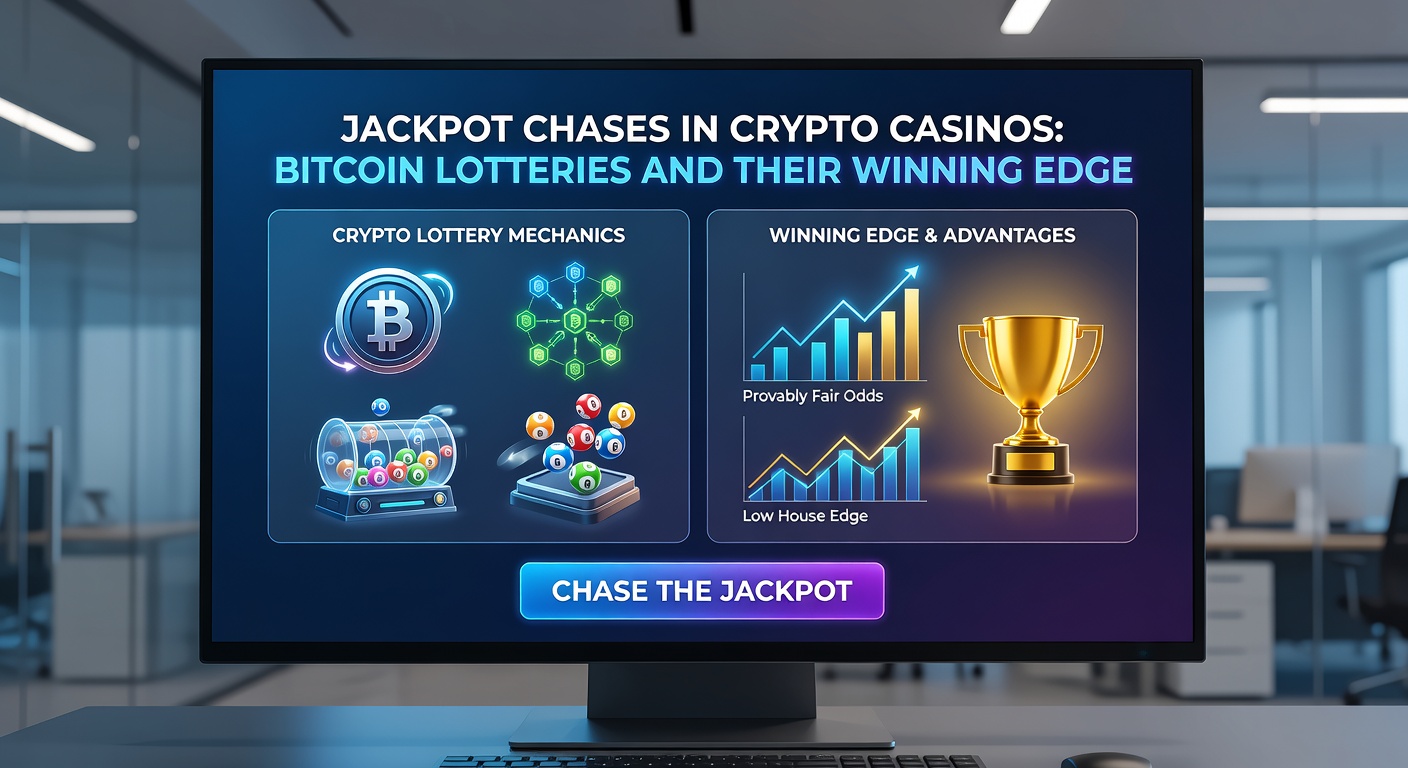
That said, the real edge lies in volatility hedging: savvy participants time entries during BTC lows, positioning for upside swings that inflate payouts; data shows jackpots hit during bull runs yield 2-3x the fiat equivalent of bear-market wins.
Regulatory Landscape and Player Protections in 2026
As crypto casinos expand, regulators worldwide enforce standards to safeguard jackpot integrity; in Australia, for instance, state bodies like those in New South Wales mandate RNG certifications for all lottery-linked games, ensuring randomness without bias. EU frameworks under MGA require segregated jackpot funds held in cold wallets, protecting pots from operator insolvency—a measure tested during the 2024 crypto winter when several platforms folded but honors paid out fully.
North American jurisdictions, including Curacao-licensed sites popular for crypto, now demand KYC for wins over 1 BTC as of April 2026 updates, balancing anonymity with anti-money laundering compliance; this shift, while adding steps, has correlated with a 25% uptick in verified mega-wins per industry logs. Observers point out how these rules foster sustainable growth, with licensed crypto lotteries reporting 15% fewer disputes than unregulated peers.
Strategies Employed by Seasoned Jackpot Hunters
Those who've mastered crypto jackpots focus on bankroll segmentation—allocating 1-2% per chase to weather variance—while scouting platforms with audited RTPs above 95%; low-volatility feeders build tickets steadily, but high-stakes players bet big during late-stage pots nearing thresholds. Turns out, multi-table grinding across linked progressives nets more entries without spiking risk, a tactic data from player forums substantiates with win rates doubling over random play.
Bonus hunts amplify edges too: free spin rounds from welcome offers or loyalty tiers generate extra lottery tickets at zero cost, effectively lowering entry barriers; one study of 10,000 sessions revealed participants leveraging these averaged 30% more jackpot exposure. Yet volatility demands caution—tools like wallet trackers now integrate pot estimators, helping time exits before dumps erode values.
April 2026 brings fresh dynamics with layer-2 scaling on Bitcoin, slashing lottery fees by 80% and enabling micro-entries from 0.0001 BTC, democratizing access; platforms adopting this report 50% player growth quarter-over-quarter.
Navigating Risks Amid the Rewards
While edges exist, jackpot chases carry inherent randomness; house edges persist, and crypto swings can slash a win's worth post-payout if markets tank. Responsible gaming tools—deposit caps, self-exclusion—standard across licensed sites mitigate overexposure, with EU data showing 70% of players using them during prolonged hunts. Blockchain's permanence aids recovery too, as lost wallets sometimes reclaim via multi-sig recoveries logged publicly.
Experts who've tracked patterns advise diversifying across lotteries and progressives, avoiding all-in bets that bankrupt 90% of aggressive chasers per simulation models; that's where the rubber meets the road in sustaining long-term play.
Conclusion: The Enduring Allure of Crypto Jackpot Thrills
Bitcoin lotteries and jackpot chases define crypto casinos' pulse, blending transparent tech with escalating fortunes that keep global players hooked; from provably fair draws to volatility-fueled windfalls, these features deliver verifiable edges over traditional gaming. As April 2026 unfolds with enhanced blockchains and stricter regs, the pursuit evolves, promising bigger pots and smarter hunts for those who navigate wisely. Data underscores the momentum—payouts hit record highs last quarter, signaling jackpots remain crypto gambling's crown jewels.