Bridging Global Audiences: How Language Support Enhances Affiliate-Driven Lottery and Live Game Access
Written by Ben Vogel · Aug 17, 2026

Bridging Global Audiences: How Language Support Enhances Affiliate-Driven Lottery and Live Game Access
Language support functions as a core mechanism that connects international users with affiliate programs offering lottery draws alongside live dealer experiences, and this dynamic has gained measurable traction as platforms expand their linguistic options throughout 2026. Research indicates that multilingual interfaces reduce entry barriers for participants who prefer native-language navigation while selecting games or claiming affiliate-linked promotions, and data from industry tracking services shows corresponding rises in session durations when such features appear.
Affiliate Networks and Their Reach into Lottery and Live Formats
Affiliate systems distribute access codes and promotional links that funnel traffic toward lottery pools and real-time table games, yet conversion rates climb when those links land on sites equipped with language toggles for Spanish, German, Japanese, and additional tongues. Observers note that participants from non-English regions often abandon sessions if instructions remain unavailable in their primary language, whereas platforms that integrate on-the-fly translation tools retain higher percentages of referred visitors. Figures reveal that affiliate-driven signups for live roulette and blackjack tables increased noticeably after several operators added Arabic and Mandarin support layers in early 2026.
Technical Implementation of Language Features
Developers deploy content management systems that separate text strings from core code, allowing simultaneous updates across multiple languages without disrupting game streams or lottery result feeds. Automated quality checks verify terminology consistency for terms such as "jackpot," "wagering requirement," and "live dealer," and these safeguards prevent mistranslations that could confuse users during high-stakes moments. Platforms that maintain dedicated linguistic teams report fewer support tickets related to rule misunderstandings, and this efficiency frees resources for expanding affiliate partnerships into new territories.
What's interesting is the way localization extends beyond mere word swaps to include culturally attuned date formats, currency displays, and regional payment references that align with affiliate audience demographics. One case study highlighted a European affiliate network that doubled its referral volume to live game lobbies after incorporating Portuguese and Swedish interfaces, while similar patterns emerged in Asian markets once Korean and Thai options activated.
Data Patterns Emerging in Mid-2026
According to statistics published by the European Gaming and Betting Association, multilingual lottery platforms recorded a 27 percent uptick in cross-border participation between January and August 2026, with affiliate channels accounting for the majority of new registrations. The same dataset links language availability directly to repeat engagement levels, noting that users accessing content in their first language returned at rates 1.8 times higher than those navigating English-only versions. Researchers at the University of Sydney's Gambling Research Centre have documented parallel outcomes in Oceania, where localized live game interfaces boosted affiliate conversion metrics among players from Indonesia and Malaysia.
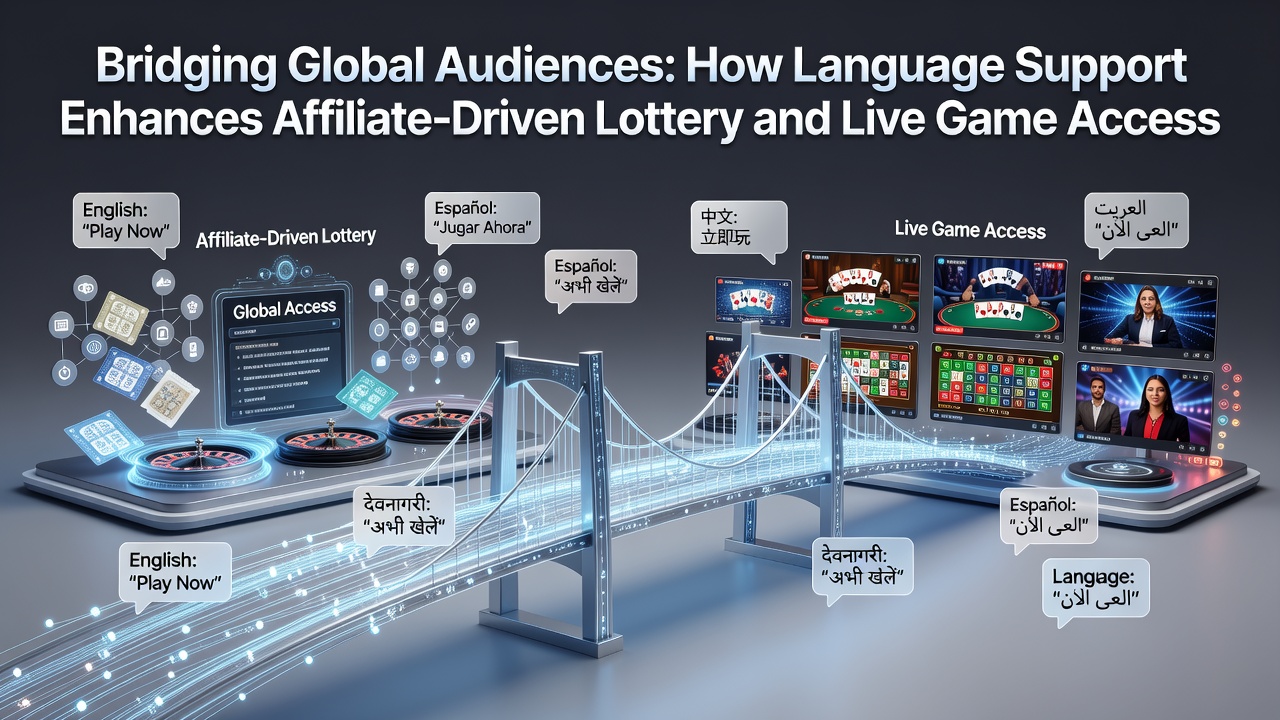
But here's the thing: these gains depend on seamless integration rather than superficial additions, because poorly rendered translations can erode trust faster than no translation at all. Affiliates therefore prioritize partners whose language support covers both front-end menus and backend confirmation pages, ensuring that prize claims and game rules remain transparent regardless of the visitor's starting point. Data shows that platforms offering at least eight language variants captured larger shares of referral traffic from Latin America and Eastern Europe during the first half of 2026.
Regulatory and Compliance Angles Across Regions
Government agencies in Canada and Australia require clear communication of game odds and bonus conditions in languages spoken by significant user groups, and affiliates operating in those jurisdictions must verify that referred sites meet these standards before directing traffic. The Canadian Gaming Association has published guidelines that tie language accessibility to responsible gaming disclosures, while the Australian Communications and Media Authority monitors compliance through periodic audits of promotional materials. Operators that align language support with these expectations maintain smoother affiliate relationships and avoid disruptions that could stem from regulatory flags.
Yet language expansion also introduces operational considerations such as moderation of live chat in multiple tongues and verification of translated terms and conditions. Those who've examined these workflows observe that centralized translation memories combined with human review cycles produce the most reliable outcomes, particularly when lottery jackpot announcements and live game rule updates require simultaneous rollout across regions.
Conclusion
Language support therefore operates as an infrastructure element that amplifies the effectiveness of affiliate programs focused on lottery and live game offerings. Evidence from multiple regulatory and academic sources confirms measurable lifts in participation and retention when interfaces accommodate diverse linguistic preferences, and the patterns documented through August 2026 suggest continued investment in this area will shape how global audiences access these formats going forward. Affiliates and operators alike track these metrics closely because the data consistently ties linguistic accessibility to sustained engagement across borders.