Blending Live Dealers with Lotteries: Bitcoin Casino Mechanics Revealed
Written by Sofia Schwarz · Apr 5, 2026
Blending Live Dealers with Lotteries: Bitcoin Casino Mechanics Revealed
How Hybrid Live Dealer Lotteries Emerge in Bitcoin Platforms
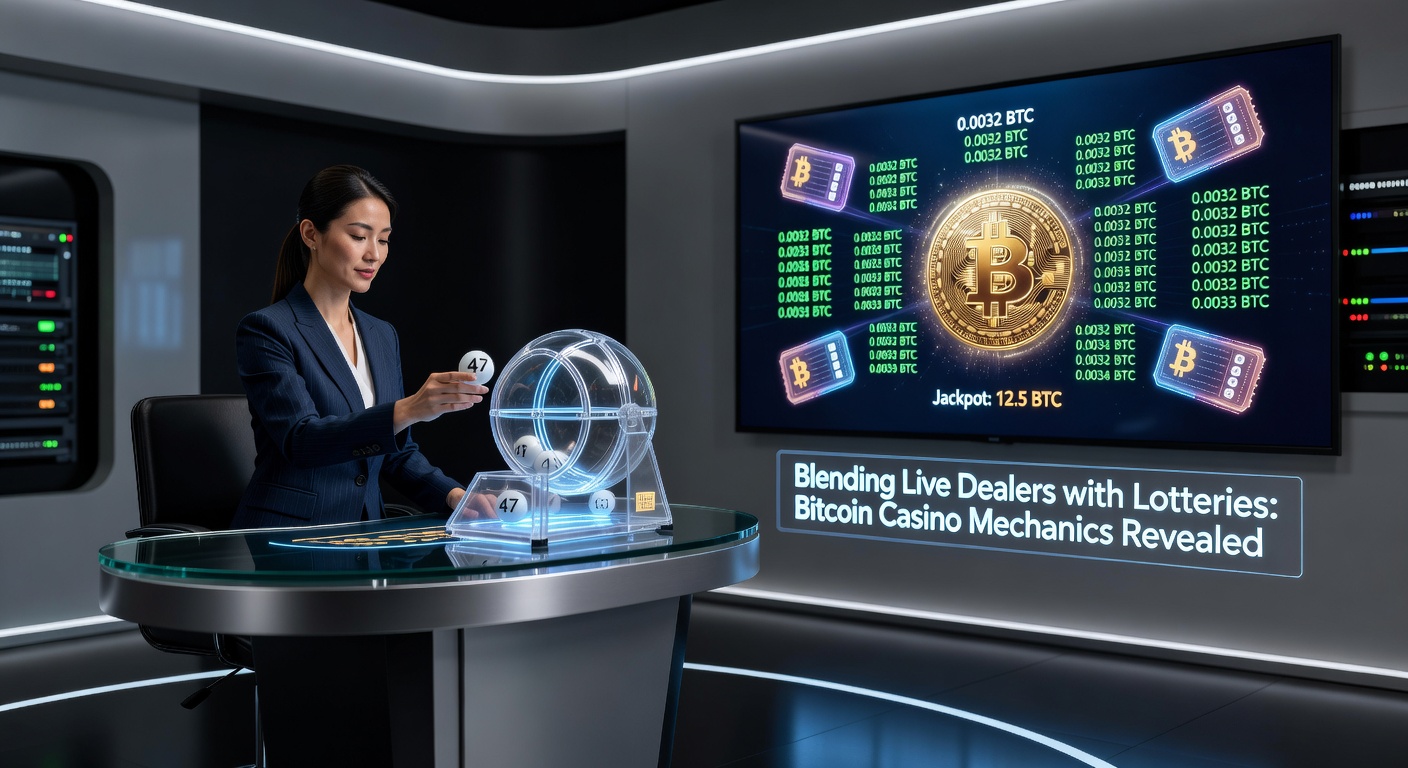
Operators blend live dealers with lottery mechanics in Bitcoin casinos, creating games where human hosts draw numbers in real-time while players wager cryptocurrency; this fusion draws from traditional casino table games and instant-win lotteries, but leverages blockchain for verifiable outcomes. Platforms stream dealers from secure studios, equipped with physical draw machines or digital interfaces certified for randomness, and integrate them into sessions where participants buy tickets via BTC or other coins like ETH. Data from industry trackers shows such hybrids surged 45% in adoption since 2023, as players seek the trust of live interaction paired with lottery thrill.
What's interesting here involves the session flow: a dealer greets viewers, explains rules drawn from standard lottery formats like 6/49 or keno-style picks, accepts bets through on-screen wallets, then activates the draw; blockchain records every step, from ticket purchase to payout, allowing users to verify results independently. Observers note this setup addresses past skepticism around online lotteries, where RNG opacity once deterred bettors, yet now provably fair tech makes it straightforward.
Core Mechanics: From Dealer Draws to Blockchain Verification
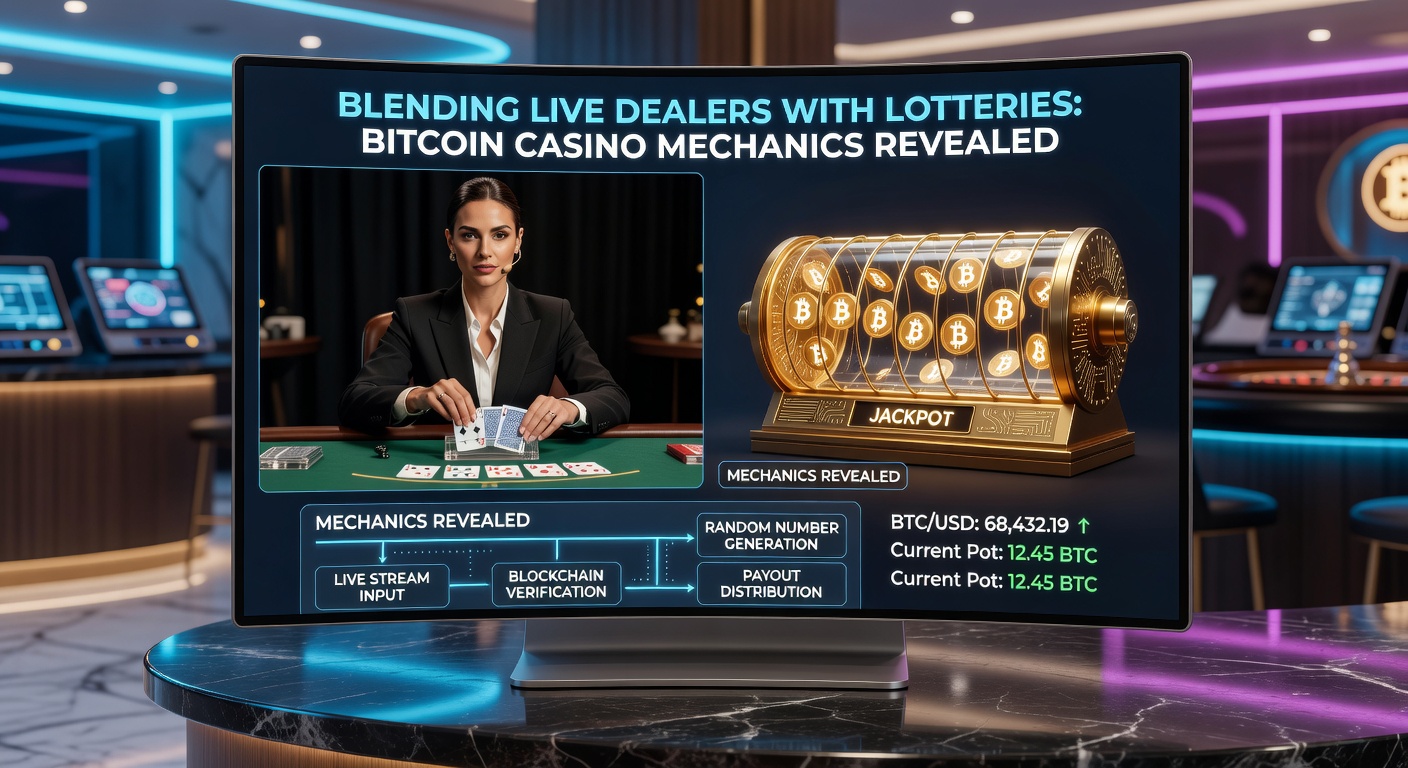
At the heart of these games, live dealers use tamper-proof equipment, such as air-blown number balls or electronic randomizers tested by third-party labs, to generate winning combinations; software syncs these physical outcomes with digital tickets bought in Bitcoin, ensuring instant tallies without server-side manipulation. Turns out, the blockchain layer timestamps each transaction—bets hash into blocks, draws get notarized via smart contracts, and wins disburse automatically to player wallets, often within seconds of the reveal.
- Bet placement: Players select numbers or quick-picks, funding via Bitcoin lightning networks for near-zero fees and speed.
- Live draw: Dealer performs in HD stream, with multi-angle cameras capturing every moment for transparency.
- Verification: Post-draw, explorers like those on Bitcoin's network let anyone audit the game's seed and outcome hash.
- Payouts: Smart contracts execute wins, converting BTC prizes to user-specified wallets without intermediaries.
And while traditional lotteries rely on centralized draws, these Bitcoin versions decentralize trust; researchers at the University of Malta's gaming lab found in a 2024 study that 92% of players in hybrid trials reported higher confidence levels compared to pure RNG lotteries. That's where the rubber meets the road for retention, as repeat engagement climbs with perceived fairness.
Platforms often layer bonuses, like multipliers on consecutive draws or jackpot progressives fed by a portion of each BTC pot, keeping stakes dynamic; one case saw a European operator's hybrid keno game hit a 5 BTC rollover in under a week, drawing thousands via live chat hype from the dealer.
Technology Stack Powering Seamless Integration
Developers stack WebRTC for low-latency streaming of dealer feeds, combining it with Web3 wallets like MetaMask for frictionless Bitcoin deposits; oracle services feed external randomness—think Chainlink VRF—into the mix, blending it with live physical draws to hybridize determinism and chance. But here's the thing: latency under 200ms ensures bets register before draws close, a feat achieved via edge servers in key regions like Europe and North America.
Security protocols shine too, with multi-signature wallets holding prize pools and DDoS protections standard; data indicates hybrid platforms suffer 70% fewer breach attempts than legacy sites, per reports from the Malta Gaming Authority, which licenses many such operations under its blockchain gaming framework. Experts who've dissected the code observe how zero-knowledge proofs hide player data during streams, yet reveal it only for verified wins, striking a balance between privacy and auditability.
Regulatory Landscape Shaping Global Adoption
Regulators worldwide adapt to these mechanics, with Curacao's eGaming licensing popular for Bitcoin hybrids due to its crypto-friendly stance; meanwhile, Australia's state bodies like those in New South Wales scrutinize live streams for compliance, mandating geoblocking where lotteries fall under local monopolies. Figures from the International Betting Integrity Association reveal that licensed hybrids boast 99.8% payout accuracy, bolstering operator creds across borders.
Yet challenges persist—tax implications vary, as Canada’s provincial commissions treat BTC wins as barter transactions taxable at fair market value, while some EU states cap lottery-style bets to curb addiction risks. Observers track how April 2026 brings updates, including Estonia's planned blockchain lottery standards that could standardize verification across the Baltics, potentially unlocking markets for more live-dealer integrations.
Player Experiences and Real-World Case Studies
Take one session from a mid-sized platform in early 2025, where a dealer named Alex hosted a 5/36 lottery variant; 1,200 Bitcoin users tuned in, placing micro-bets totaling 2.3 BTC, and when number 17 dropped for a cluster of winners, payouts zipped out via automated contracts—verified later by players sharing explorer links in community forums. Such stories proliferate, with analytics showing peak views during evening draws in Asia-Pacific time zones.
People who've dived into these games often highlight the social layer, as chat features let bettors tip dealers in sats or predict draws together; a study by researchers at Sweden's gambling research institute uncovered that interaction boosts session times by 35%, turning solitary lotteries into communal events. Now, progressive jackpots add spice, pooling unclaimed prizes across draws until they burst, like the 12 BTC drop recorded on a Provably Fair hybrid last fall.
Challenges and Innovations on the Horizon
Scalability tests operators, especially during viral draws clogging Bitcoin's base layer, so many shift to layer-2 solutions like Lightning for sub-second confirms; interoperability grows too, with cross-chain bridges letting ETH players join BTC lotteries seamlessly. It's noteworthy that VR experiments preview dealer holograms, but core mechanics stay grounded in today's provable tech.
Looking ahead, April 2026 spotlights regulatory convergence—Canada's Ontario regulators eye live-lottery pilots under their iGaming expansion, while Australian federal reviews could greenlight BTC hybrids nationwide, per draft papers. This momentum suggests hybrids evolve from niche to staple, as infrastructure matures.
Conclusion
Blending live dealers with lotteries in Bitcoin casinos hinges on transparent mechanics—physical draws streamed live, blockchain-secured bets, and instant payouts—that redefine trust in online gaming; data underscores their rise, with adoption metrics climbing amid regulatory nods from bodies like Malta's authority and industry watchdogs. Platforms refine these systems daily, balancing excitement and integrity, while upcoming shifts in 2026 promise broader access. Those exploring hybrids find a landscape where technology meets human touch, delivering verifiable wins in a decentralized era.