Agreement Specifics Shaping Bonus Eligibility in Live Dealer and Lottery Options Through International Referral Channels
Written by Nils Roth · Jun 1, 2026
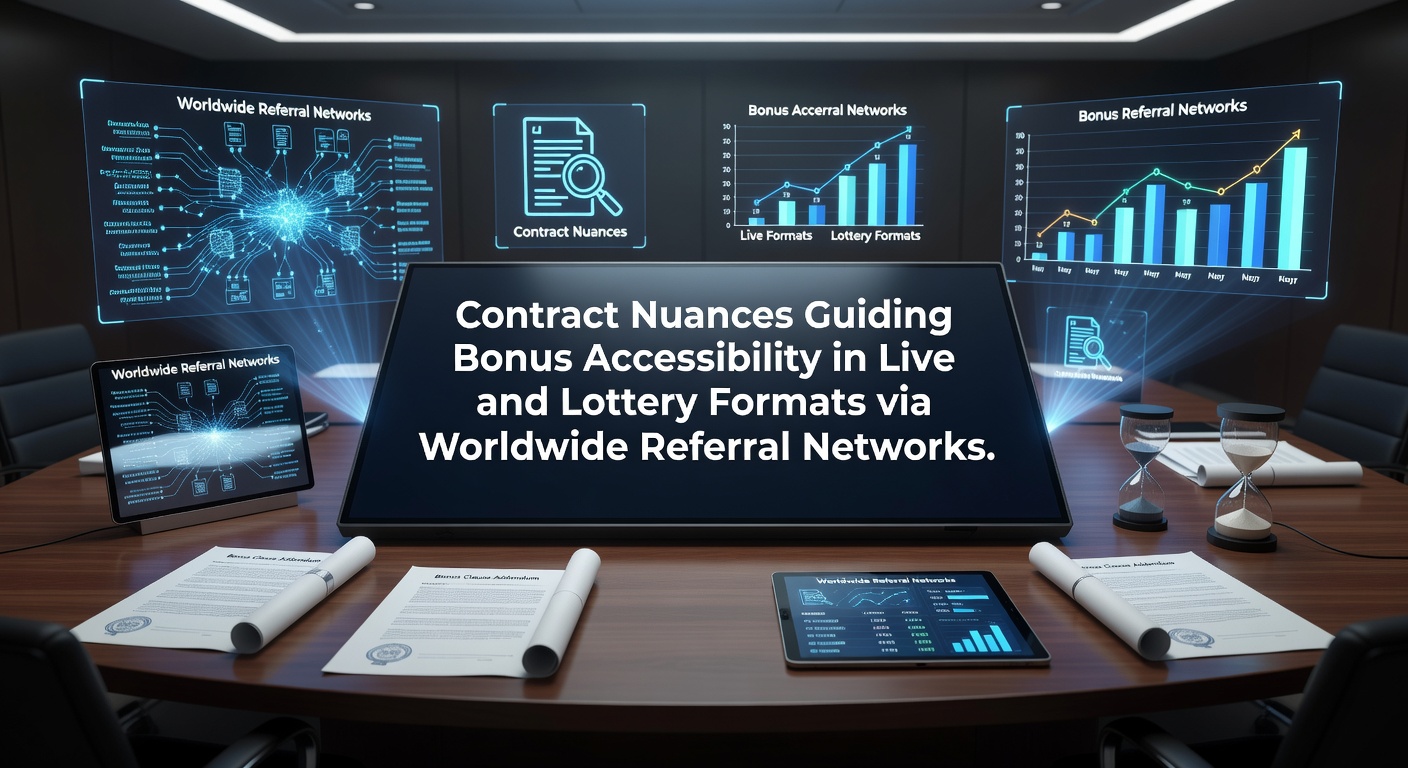
Agreement Specifics Shaping Bonus Eligibility in Live Dealer and Lottery Options Through International Referral Channels
Contract language in affiliate programs often dictates how players gain access to bonuses across live dealer tables and lottery draws, with clauses that specify eligibility based on geographic location, deposit patterns, and referral activity levels. These provisions connect directly to worldwide networks where operators collaborate with partners in multiple regions, creating pathways that either open or restrict rewards depending on the exact wording of each agreement. Observers note that terms around minimum activity thresholds, game category restrictions, and verification procedures frequently determine whether referred users can claim live casino incentives or participate in lottery-style promotions without encountering blocks.
Core Contract Provisions Affecting Live and Lottery Access
Many referral agreements include sections that tie bonus availability to specific game formats, requiring players to engage with live dealer environments before unlocking lottery entries or vice versa, while additional clauses limit access based on the referring partner's jurisdiction. Data from industry analyses shows that such stipulations emerged more prominently after regulatory shifts in early 2026, when several operators adjusted their global programs to align with updated compliance standards. Those who've reviewed sample contracts find that language around "qualified traffic sources" and "cross-border player verification" plays a central role in deciding whether bonuses transfer smoothly across live streams and lottery pools. And when referral networks span continents, these provisions help maintain consistency even as local laws differ from one market to the next.
Regional Variations in Referral Network Operations
Worldwide referral systems handle bonus distribution differently depending on the regulatory environment in each participating country, with agreements often referencing frameworks established by bodies like the Alcohol and Gaming Commission of Ontario for Canadian operations or the Australian Communications and Media Authority for Asia-Pacific partners. Research indicates that contracts frequently embed clauses requiring compliance with these regional rules before any bonus becomes active in either live dealer sessions or lottery formats, which prevents conflicts when players move between jurisdictions. In June 2026, several networks reported updates to their standard terms that clarified how referral earnings convert into player bonuses, particularly for formats blending real-time interaction with draw-based rewards. Experts have observed that partners operating under stricter oversight tend to incorporate more detailed audit requirements into their agreements, ensuring that bonus accessibility remains tied to verifiable activity rather than automated triggers.
Mechanics of Bonus Activation via Referrals
Referral contracts typically outline a sequence where initial player registration through an affiliate link leads to tracked activity that unlocks bonus tiers, yet provisions may exclude certain live table games or lottery variants until specific conditions are met. Figures from affiliate performance reports reveal that networks emphasizing multi-format participation achieve higher conversion rates when their agreements clearly define how live dealer time counts toward lottery eligibility. Those managing such programs often insert sections that address time-sensitive elements, such as bonus expiration windows that apply uniformly across both game types regardless of where the referral originated. But here's the thing: vague phrasing in these areas can create friction, prompting operators to revise agreements periodically to close loopholes that affect accessibility.
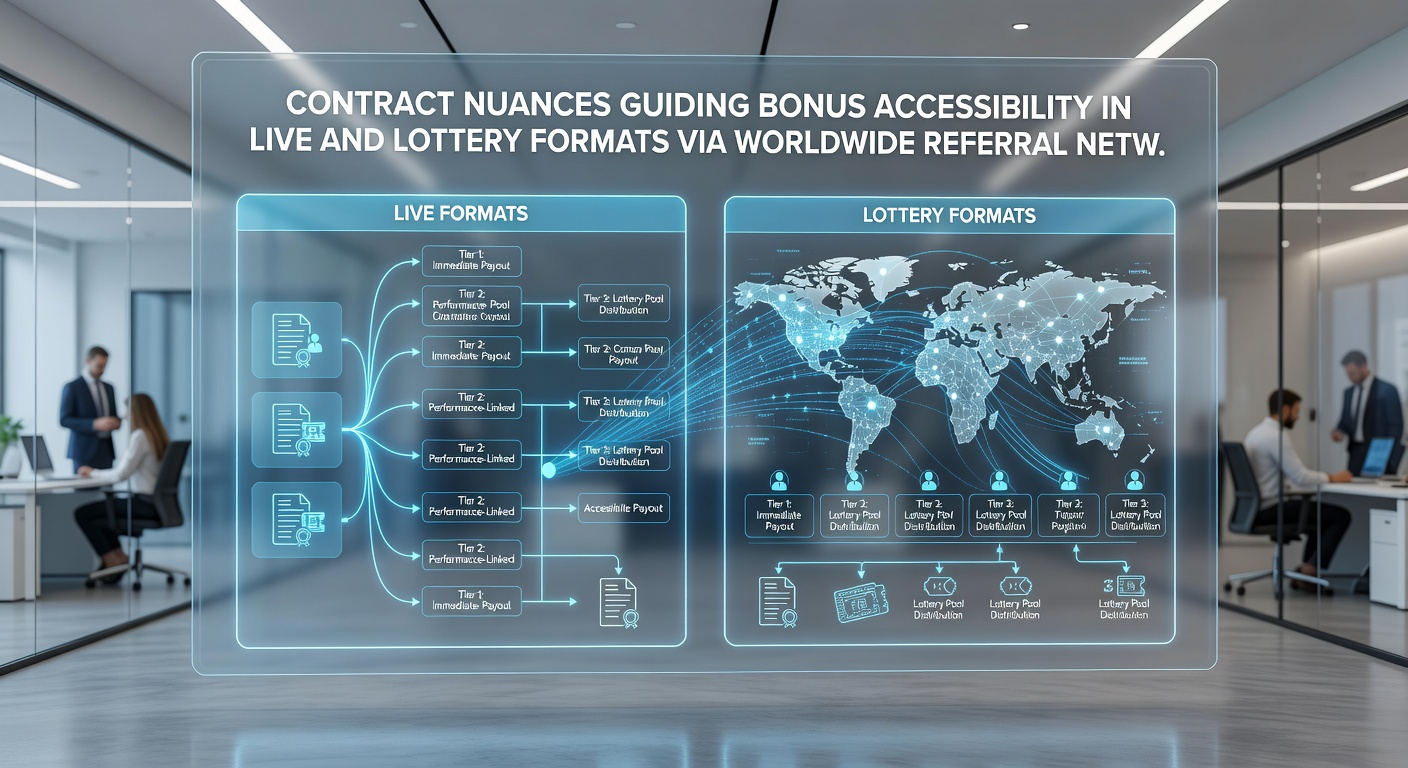
Verification and Compliance Layers in Global Agreements
Agreements governing referral networks routinely incorporate identity verification steps and responsible gaming checks that must clear before bonuses activate in live or lottery contexts, drawing on standards promoted by organizations such as the Remote Gambling Association. Studies from academic sources, including reports issued through the University of Nevada's gaming research division, highlight how these layers integrate with contract language to balance player access against regulatory demands across borders. People familiar with the process describe scenarios where a referral from one region triggers additional documentation requirements that delay bonus release until compliance is confirmed, particularly when lottery formats involve pooled international entries. What's interesting is that contracts updated in mid-2026 began referencing standardized verification protocols more explicitly, reducing ambiguity around live dealer participation metrics that contribute to overall bonus qualification.
Practical Implications for Network Participants
Operators and affiliates working through these worldwide systems encounter contract nuances that directly influence campaign design, such as clauses limiting bonus promotion to approved game categories or requiring minimum retention periods before lottery rewards unlock. According to data compiled by the European Gaming and Betting Association, networks that maintain transparent terms around these elements report steadier player engagement across live and lottery offerings. And when agreements specify how referral commissions convert into player-facing incentives, they create clearer expectations that support sustained growth without frequent disputes. Observers note that successful programs tend to embed examples of qualifying activity directly into contract appendices, illustrating paths from initial referral to full bonus access in both formats.
Conclusion
Contract nuances in referral networks continue to guide bonus accessibility by establishing precise conditions for live dealer and lottery participation, with provisions that adapt to regulatory environments across regions. Updates observed through 2026 demonstrate ongoing refinements to these agreements, ensuring they address verification, eligibility sequencing, and cross-border compliance in measurable ways. Those reviewing the landscape find that clear language within such contracts supports consistent operations while accommodating the distinct mechanics of each game format.