Affiliate Networks and Their Role in Directing Traffic to Zero-Deposit Hybrid Lottery Formats in Crypto Environments
Written by Avery Sullivan · May 27, 2026
Affiliate Networks and Their Role in Directing Traffic to Zero-Deposit Hybrid Lottery Formats in Crypto Environments
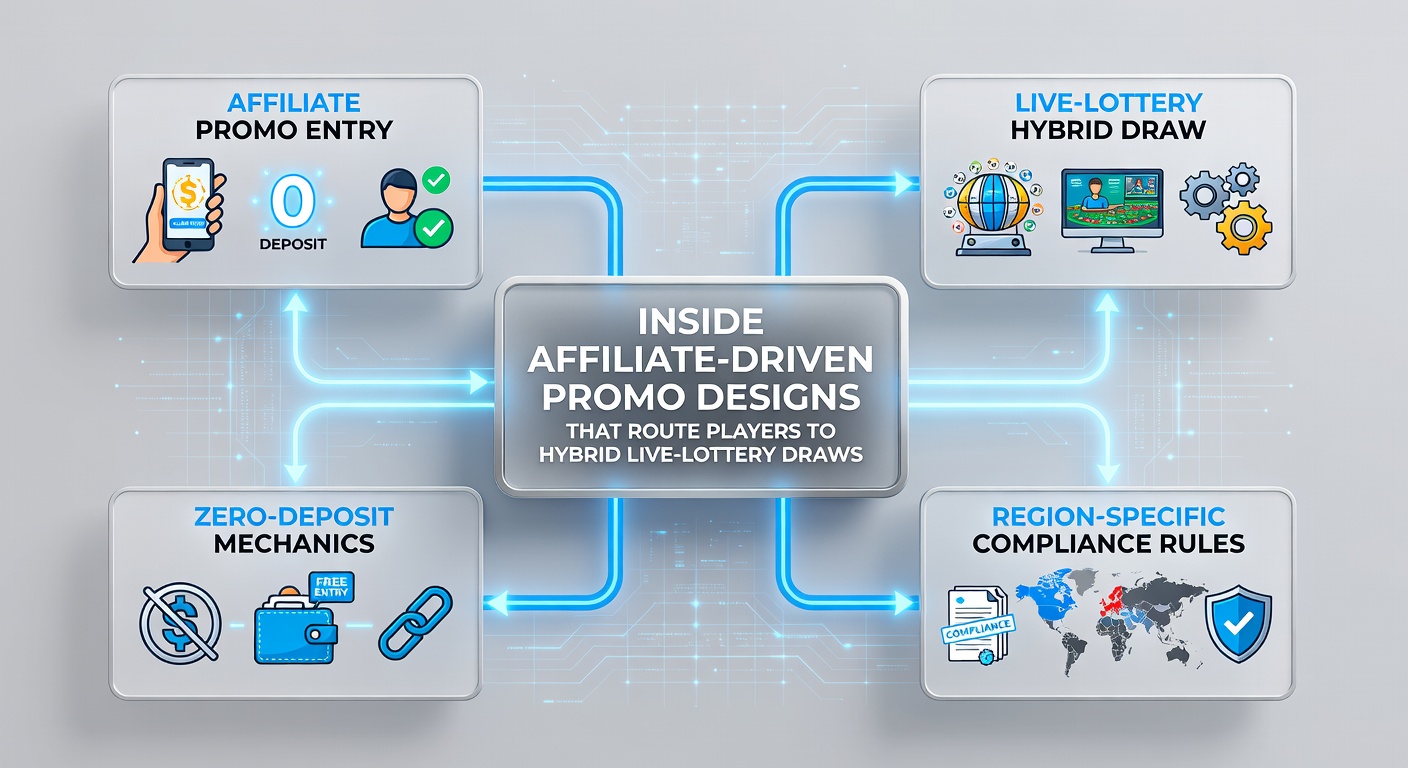
Platforms operating in cryptocurrency gambling spaces have developed affiliate structures that guide users toward hybrid live-lottery events, and these designs incorporate zero-deposit entry points while adhering to varying regional regulations. Observers note that such systems combine live dealer elements with lottery mechanics, allowing participants to join draws without an initial financial commitment in many cases. Data indicates that affiliate campaigns often feature landing pages optimized for specific jurisdictions, where compliance checks occur before any draw participation begins.
Hybrid formats typically blend real-time streaming of number selections with automated lottery protocols, and affiliates promote these through targeted banners or referral links that highlight the absence of deposit requirements. Research from industry analyses shows that zero-deposit mechanics function by issuing promotional credits or free tickets upon registration, which then route eligible players into scheduled live sessions. Those who've studied these setups find that verification processes, including location and age confirmation, activate automatically based on user IP and provided details to match local rules.
Mechanics of Promo Routing and Zero-Deposit Integration
Affiliates design promotional materials that direct traffic through customized funnels, and these often include region-specific disclaimers that outline eligibility criteria before users reach the hybrid draw interface. The process starts with a user clicking an affiliate link, which leads to a registration form where zero-deposit bonuses apply instantly upon completion of basic compliance steps. Figures from platform reports reveal that this routing reduces barriers for new participants while maintaining separation between promotional access and full account funding options.
Live elements in these lotteries involve streamed draws conducted by dealers who interact with digital randomizers, and zero-deposit entries allow users to observe or participate in initial rounds without adding funds. Experts have observed that affiliates track conversion rates from these promos, adjusting creative assets to emphasize compliance features like geo-fencing that prevent access in restricted areas. In May 2026 updates to several systems incorporated enhanced API connections between affiliate dashboards and regulatory databases, streamlining the verification flow for hybrid events.
Region-Specific Compliance Frameworks
Different jurisdictions impose distinct requirements on these promotions, and platforms adjust affiliate tools accordingly to ensure adherence. For instance, Canadian operators reference guidelines from the Alcohol and Gaming Commission of Ontario when configuring zero-deposit qualifiers for lottery draws. Australian entities align with standards set by state gaming authorities, incorporating mandatory responsible gambling messages into affiliate creatives that route players to hybrid formats.
European markets apply varying rules across member states, with affiliates implementing dynamic content that displays localized terms based on detected user location. Industry organizations such as the European Gaming and Betting Association have documented how these adaptations affect promo performance, noting that compliance layers add steps to the entry process but maintain the zero-deposit pathway for qualified users. Research indicates that failure to match these rules can result in blocked access or account flags during live draw sessions.
Technical Implementation in Affiliate Systems
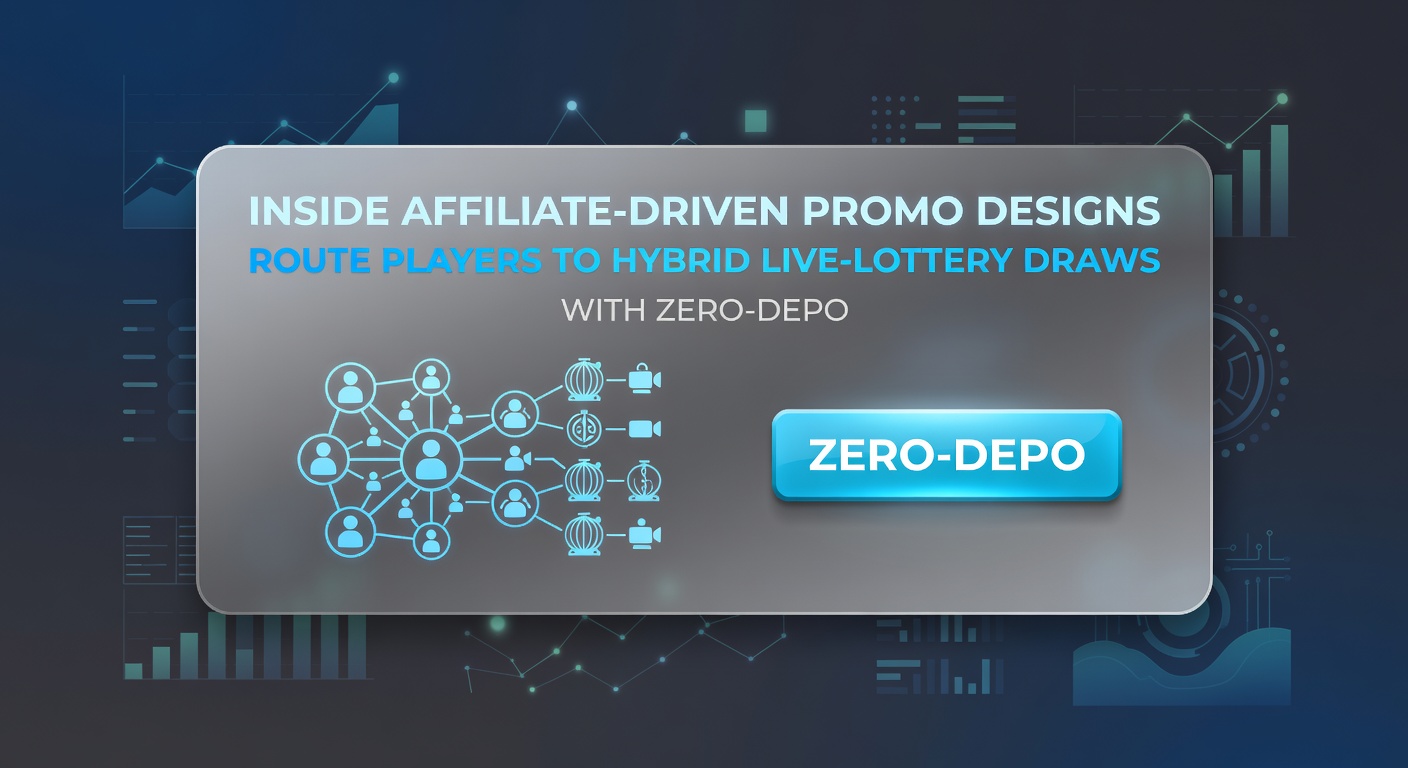
Affiliate platforms utilize tracking software that logs user journeys from promo click to hybrid draw participation, and this software integrates zero-deposit triggers with backend compliance engines. The designs often employ A/B testing on landing pages to optimize for regional preferences, such as language adaptations or specific regulatory disclosures. Those monitoring these operations report that data flows between affiliate networks and lottery operators occur in real time, updating eligibility flags before each live session begins.
Zero-deposit mechanics rely on token-based entries generated at signup, which convert into lottery tickets valid only within compliant zones. Hybrid draws proceed with live video feeds overlaid on automated number generators, and participants who entered via affiliate promos receive notifications through the same dashboard. Academic studies on online gaming systems have examined how these integrations balance accessibility with oversight, highlighting the role of automated audits that flag non-compliant routing attempts.
Performance Patterns Observed in 2026
Platform metrics compiled through May 2026 demonstrate steady traffic volumes from affiliate channels to hybrid lottery products, with zero-deposit entries accounting for a measurable share of initial participations. Affiliates refine their approaches by analyzing drop-off points during compliance checks, then refine messaging to clarify region-specific rules upfront. This iterative process connects directly to draw schedules, ensuring that promoted events align with verified user bases.
Cross-border considerations appear in affiliate contracts that specify prohibited territories, and these contracts reference external benchmarks such as reports from the National Council on Problem Gambling for best practices in promotion design. The systems continue to evolve with new API standards that support seamless handoffs between promo landing pages and live draw environments while preserving all required jurisdictional controls.
Conclusion
Affiliate-driven structures continue to shape access pathways for hybrid live-lottery draws that operate under zero-deposit conditions and localized compliance standards. These designs integrate technical routing with regulatory checks to support participation across multiple regions, and ongoing adjustments reflect changes in platform capabilities as seen in mid-2026 implementations. The frameworks rely on data-driven refinements to maintain operational alignment between promotional activities and draw mechanics.